Overview
At Ishwa IVF, skilled embryologists perform embryo biopsy using advanced micromanipulation tools and modern lab technology. Therefore, we maintain high accuracy while ensuring embryo safety.
What is Embryo Biopsy?
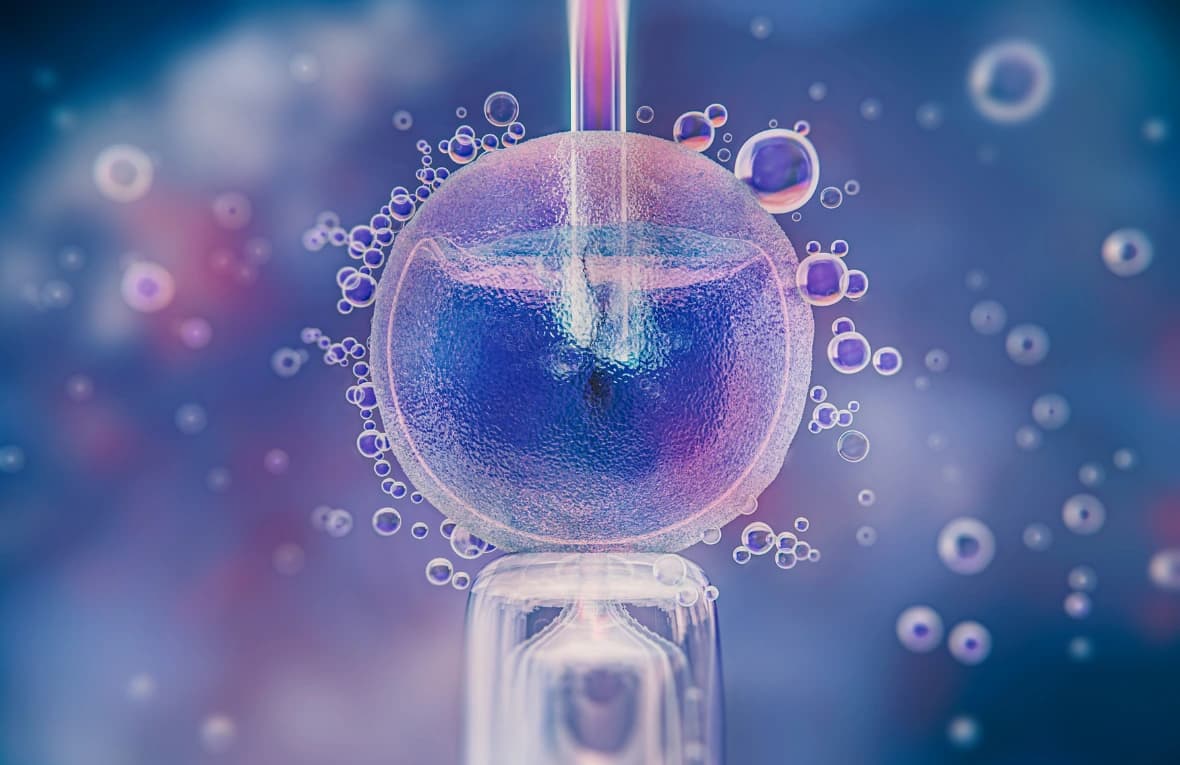
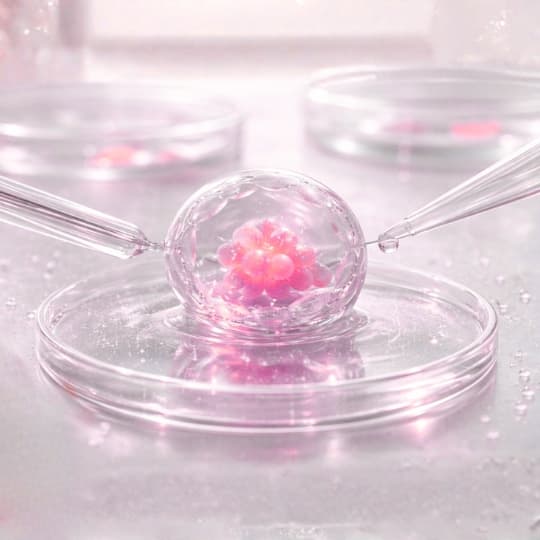
Embryo biopsy is a precise technique where embryologists extract 1 to 5 cells from a developing embryo, usually at the blastocyst stage (Day 5 or 6). Then, specialists analyze these cells using advanced genetic testing methods to detect chromosomal or inherited conditions.
Types of Genetic Testing Used
PGT-A (Preimplantation Genetic Testing for Aneuploidy)
This test checks for abnormal chromosome numbers, which helps prevent implantation failure and miscarriage.
PGT-M (Monogenic Disorders Testing)
Doctors use this test to detect specific inherited genetic diseases passed from parents to the child.
PGT-SR (Structural Rearrangement Testing)
This test identifies chromosomal structural problems such as translocations or rearrangements.
Why is Embryo Biopsy Done?
Doctors recommend embryo biopsy for several important reasons. First, it helps select genetically normal embryos for transfer. Moreover, it reduces the risk of inherited genetic disorders. Additionally, it improves implantation success and pregnancy outcomes. In many cases, it also helps avoid repeated IVF failures. Therefore, couples with genetic disease history or recurrent miscarriage benefit significantly from this technique.
Who Should Consider Embryo Biopsy?
Embryo biopsy offers several important benefits when performed in an advanced fertility lab:
Experienced embryologists perform the procedure with precision
Advanced micromanipulation and laser-assisted tools ensure accuracy
Improves chances of healthy pregnancy and live birth
Reduces emotional and financial stress from repeated IVF cycles
Enables safer single embryo transfer with better confidence
Advantages of Embryo Biopsy at Ishwa IVF
Embryo biopsy offers several important benefits when performed in an advanced fertility lab:
Experienced embryologists perform the procedure with precision
Advanced micromanipulation and laser-assisted tools ensure accuracy
Improves chances of healthy pregnancy and live birth
Reduces emotional and financial stress from repeated IVF cycles
Enables safer single embryo transfer with better confidence
Is Embryo Biopsy Safe?
Yes, embryo biopsy is safe when experienced embryologists perform it in a well-equipped laboratory. They carefully remove only a few cells without harming embryo development. After biopsy, specialists usually freeze the embryo using vitrification while waiting for genetic test results. Consequently, this approach protects embryo quality and improves treatment planning.
Questions about embryo biopsy and PGT
Does embryo biopsy affect embryo health?
When performed correctly, embryo biopsy does not harm embryo development or the baby. It is a well-established procedure worldwide.
Is this procedure painful?
No. The procedure is done in the lab on embryos and does not involve any physical discomfort for the patient.
When are the results of the genetic test available?
Genetic testing usually takes 15 days. Embryo transfer is done in the next cycle after reviewing results.
Can we still use embryos found to have abnormalities?
Embryos with significant abnormalities are usually not recommended for transfer. However, decisions can be made based on the type and severity of the issue.