Male Infertility and IVF: DNA Fragmentation Tests


Written and medically reviewed by
Dr. Urmila Sharma and Dr. Zeepee Godha
7 min read
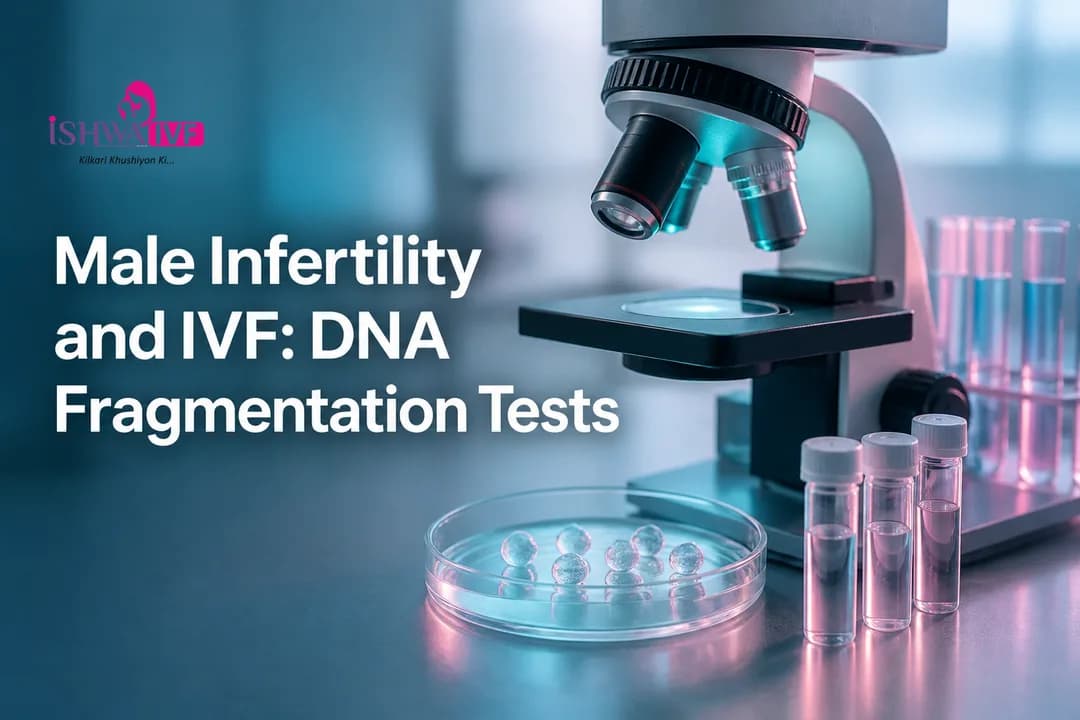
Male Infertility and IVF: DNA Fragmentation Tests is a topic we discuss often when couples feel stuck after repeated setbacks in IVF. In this guide, you will learn what sperm DNA fragmentation means, how the test works, and how the results may shape Fertility Treatment choices like ICSI, lifestyle changes, or sperm retrieval.
Why DNA Fragmentation Matters in IVF Outcomes
Most semen reports focus on count, motility, and morphology. However, those numbers do not show whether sperm DNA stays intact. Because of this, some couples see normal semen analysis results yet still face poor fertilisation, slow embryo development, miscarriage, or failed implantation.
DNA fragmentation describes breaks in the genetic material carried by sperm. When fragmentation rises, the egg may struggle to repair the damage after fertilisation. As a result, embryo quality can drop even when basic semen parameters look acceptable.
Importantly, DNA fragmentation does not diagnose every case of Male Infertility. Instead, it adds a deeper layer to the evaluation. Therefore, it can help your Fertility Specialist decide whether standard IVF, ICSI, or a different plan makes more sense for your next cycle.
What Causes High Sperm DNA Fragmentation?
Several factors can increase DNA breaks inside sperm. For example, oxidative stress plays a major role, and it can rise with smoking, obesity, poor sleep, or uncontrolled diabetes. Similarly, varicocele, infections, and long gaps between ejaculations may contribute in some men.
Heat exposure also matters. In particular, frequent hot baths, tight underwear, laptop use on the lap, or long driving hours can raise scrotal temperature. Consequently, sperm maturation may suffer, and DNA damage can increase.
Oxidative Stress: The Most Common Thread
Oxidative stress means excess reactive oxygen species compared with the body’s antioxidant defence. Notably, sperm membranes are sensitive to oxidative damage. Therefore, even mild lifestyle issues can add up over time, especially when combined with a medical factor like varicocele.
IVF DNA Fragmentation Tests: What They Show
An IVF DNA fragmentation test measures the proportion of sperm with fragmented DNA. Different laboratories use different assays, so your report may use terms such as DFI (DNA fragmentation index) or percentage fragmented sperm. Therefore, you should interpret results with your Fertility Doctor rather than comparing numbers across unrelated labs.
At Ishwa IVF, we see many couples who arrive after one or two failed cycles elsewhere. In our day-to-day work as an IVF Center team, a repeated pattern stands out. When embryos look weaker than expected or miscarriage repeats despite good ovarian response, a sperm DNA fragmentation assessment often fills an important gap in the Infertility Treatment workup.
However, the test is not a magic predictor of IVF Success Rates. Instead, it guides decisions about sperm selection, timing, and whether to correct modifiable male factors before another embryo transfer.
Common Testing Methods and How They Differ
Clinics may offer multiple DNA fragmentation assays. Although each test targets DNA damage, they do not measure it in exactly the same way. As a result, “high” in one method may not match another method’s range.
- SCSA: uses flow cytometry to estimate DNA susceptibility to denaturation, often reported as DFI.
- TUNEL: labels DNA breaks directly, which can support clinical correlation in some settings.
- Comet assay: visualises DNA migration patterns, mostly used in specialised labs.
- SCD (Halo test): evaluates the halo around sperm heads to infer fragmentation.
Because of these differences, consistency matters. Therefore, if your doctor plans to re-test after treatment, using the same method and the same lab can make the trend easier to interpret.
When Fertility Specialists Recommend This Test
Not every couple needs DNA fragmentation testing before IVF or IUI. However, it can be useful when clinical history suggests a hidden sperm-quality issue. For instance, unexplained infertility, recurrent pregnancy loss, or repeated IVF failure often prompts this deeper evaluation.
Similarly, men with known risk factors may benefit. That includes varicocele, smoking, advanced age, exposure to high heat, or a history of genital tract infection. In addition, couples choosing Fertility Preservation may consider extra sperm quality testing if planning Embryo Freezing for later use.
According to the WHO laboratory manual for the examination and processing of human semen, semen analysis remains the foundation of male fertility assessment. However, advanced sperm function tests may help in selected clinical situations. Therefore, DNA fragmentation testing usually works best as an add-on, not a replacement.
What to Do Before the Sample Collection
Preparation affects test reliability. First, follow the abstinence period advised by your Fertility Clinic, often a few days. Next, avoid fever, heavy alcohol, and heat exposure in the week before collection when possible. Finally, share medications and supplements with your doctor, because some drugs can affect sperm quality.
Also, ask the lab about handling time. For example, delays in processing can worsen apparent DNA damage in some assays. Therefore, a clinic-based collection often provides a cleaner workflow than long transport times.
How Results Influence IVF, ICSI, and Next Steps
Once you receive the report, the key question becomes practical. What should you change in your IVF plan, if anything? The answer depends on the level of fragmentation, your female partner’s ovarian reserve, and your history with embryo development or miscarriage.
Importantly, a higher result does not mean you cannot achieve Parenthood. Instead, it may suggest a need to reduce DNA damage, improve sperm selection, or change fertilisation strategy. Consequently, the plan often includes both medical and lifestyle steps.
Here are common ways Fertility Treatment plans adapt after this result:
- Target male-factor optimisation: treat varicocele when appropriate, manage infection, and correct metabolic issues.
- Adjust the fertilisation approach: many couples move from conventional IVF to ICSI when male factors matter.
- Review ejaculation timing: shorter abstinence windows may help some men, depending on the pattern.
- Consider sperm retrieval in selected cases: testicular sperm may show lower fragmentation for some men, but it involves a procedure and needs careful counselling.
- Strengthen the embryo strategy: your doctor may discuss blastocyst culture, Embryo Freezing, or additional testing when indicated.
In addition, discuss female-side factors. Egg quality influences how well an egg can repair DNA damage after fertilisation. Therefore, age and ovarian reserve often shape the risk-benefit balance of waiting for optimisation versus proceeding sooner.
For a broader view of infertility as a couple’s condition, the WHO infertility fact sheet explains that infertility affects many couples globally. Because of this, a balanced evaluation of Male Infertility and Female Infertility usually gives the best outcomes.
Making a Clear Plan With Your IVF Center
DNA fragmentation results can feel technical. However, the best next step is simple. Build a plan with your Fertility Specialist that fits your timeline, budget, and medical history.
At Ishwa IVF, we focus on turning the report into concrete decisions. For example, we often combine male-factor workup with female evaluation, cycle planning, and Pregnancy Care discussions. Moreover, we explain trade-offs openly, especially when procedures like sperm retrieval or advanced lab steps come into the conversation.
Also, keep expectations realistic. Results vary by lab method, and fragmentation can fluctuate with illness, stress, or lifestyle. Therefore, one test offers a snapshot, not a lifetime label. When needed, your Fertility Doctor may repeat testing after intervention.
Finally, if you have had repeated pregnancy loss or complex cycles, ask how the clinic coordinates with High Risk Pregnancy care. A strong Fertility Clinic should guide you beyond embryo transfer, because the goal is a healthy ongoing pregnancy.
If you want to understand options at an experienced center, explore Ishwa IVF for supportive guidance. In addition, you can use our IVF and male infertility services overview to prepare questions for your visit.
In summary, IVF decisions improve when you match the right test to the right problem. Therefore, if your history suggests hidden sperm DNA issues, testing can clarify the next move without over-treating. Most importantly, you and your partner deserve a plan that feels both medically sound and emotionally manageable.
Contact Us
Ishwa IVF Clinic
1st Floor, Ganga Heights, Tonk Road
(Near Gopalpura Flyover, Opposite Jaipur Hospital)
Kailash Puri Colony, Jaipur – 302018
📞 Phone: 9351333705
As a dedicated Fertility Clinic team, we routinely interpret advanced male-factor reports and align them with safe, personalised IVF planning. If you are considering an IVF cycle or reviewing a failed one, we can help you decide whether IVF DNA fragmentation testing fits your next step.
Written and medically reviewed by Dr. Urmila Sharma and Dr. Zeepee Godha. This article is general information and does not replace a consultation. Your doctor will advise you on your own situation.