Overview
The right procedure depends on the cause of azoospermia, so hormone tests, an examination and genetic tests come first.
Two types of azoospermia
- Obstructive: sperm are produced but a blockage stops them reaching the semen. Retrieval is usually successful.
- Non-obstructive: sperm production is very low. Sperm can still be found in some men, often with micro-TESE.
The procedures
- PESA (percutaneous epididymal sperm aspiration)
A fine needle draws sperm from the epididymis. Used mainly for obstructive azoospermia. - TESA (testicular sperm aspiration)
A needle takes a small amount of tissue from the testis. - TESE (testicular sperm extraction)
A small cut is made to take tissue samples from the testis. - Micro-TESE
An operating microscope is used to find the areas of the testis most likely to contain sperm. It is the preferred method for non-obstructive azoospermia.
Before and after
The procedures are done under anaesthesia and most men go home the same day, with mild soreness for a few days. Retrieval is usually planned on or just before the day of egg collection, or the sperm are frozen for later ICSI cycles. Where needed, we work with a urologist.
Questions about surgical sperm retrieval
What is the success rate of sperm retrieval?
For obstructive azoospermia, sperm are found in most men. For non-obstructive azoospermia, sperm are found in some men, and the chance depends on the cause, hormone levels and the procedure used.
Is surgical sperm retrieval painful?
It is done under anaesthesia, so you feel no pain during it. Mild soreness for a few days afterwards is common and eased with painkillers.
Can the retrieved sperm be frozen?
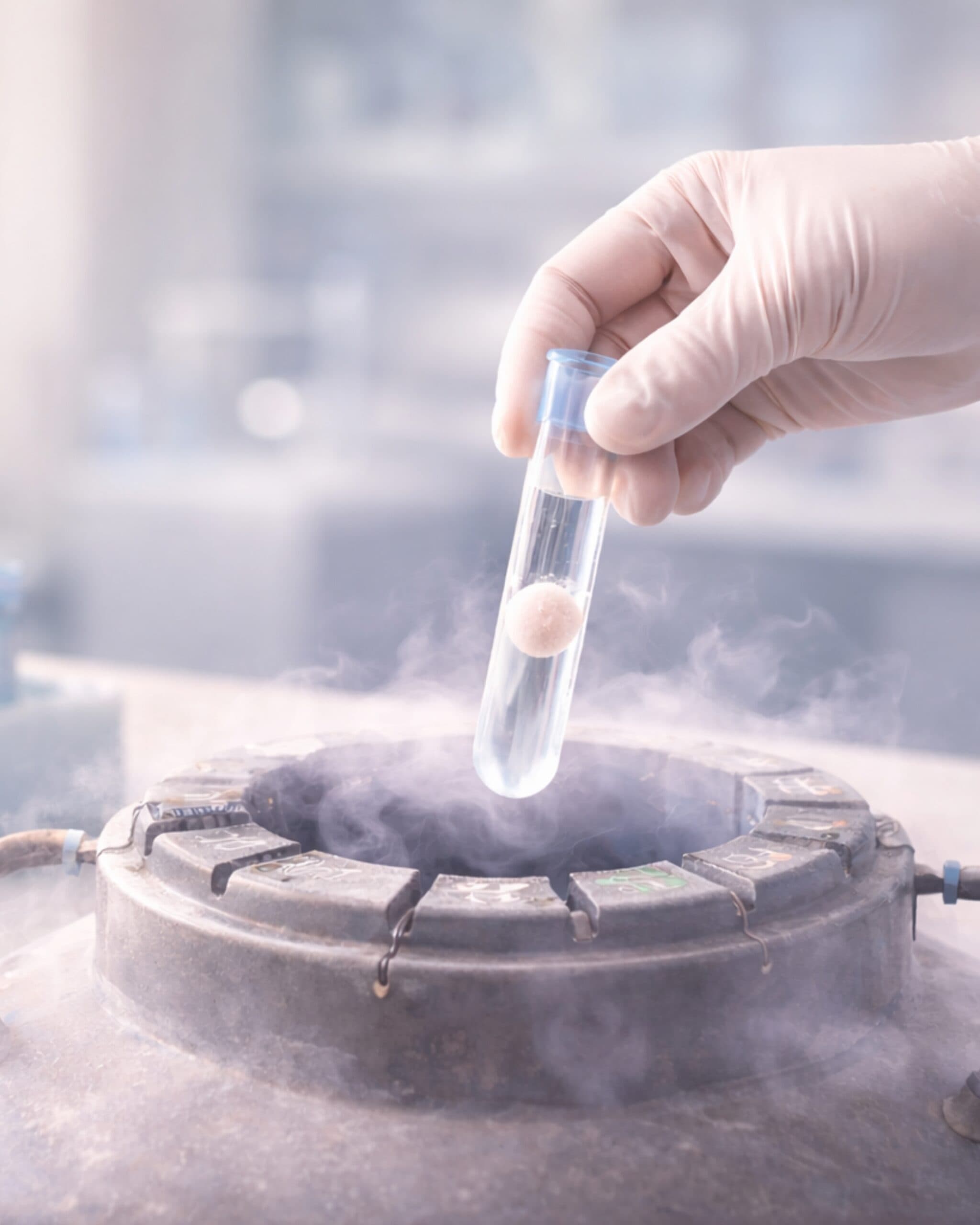
Yes. Freezing sperm after retrieval means they can be used in future ICSI cycles without repeating the procedure.
Which tests are needed before sperm retrieval?
Hormone tests, a scrotal ultrasound and, often, genetic tests such as a karyotype and Y-chromosome microdeletion test.