Overview
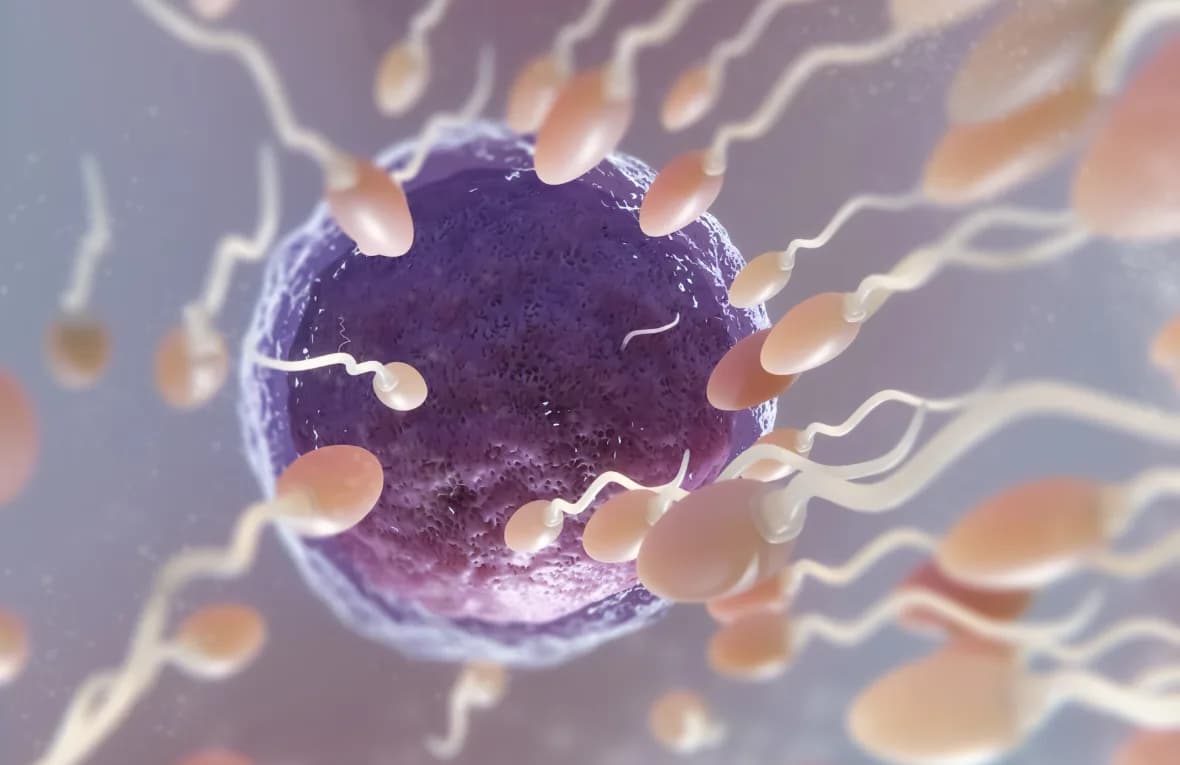
In India, egg and sperm donation is regulated by the Assisted Reproductive Technology (Regulation) Act, 2021. Donors are screened, remain anonymous and are sourced only through registered ART banks.
When donor eggs may be advised
- Very low egg reserve or early menopause (premature ovarian insufficiency)
- Repeated IVF failure linked to egg quality
- A genetic condition that could be passed on through the woman's eggs
When donor sperm may be advised
- No sperm found in the semen or by surgical sperm retrieval
- A genetic condition that could be passed on through the man's sperm
How donation works
- Consultation and counselling
Your doctor explains why donation is being considered, what it involves and the alternatives. - Donor selection
Donors are matched for blood group and physical characteristics through a registered ART bank, and are screened for infections and genetic conditions. - Treatment
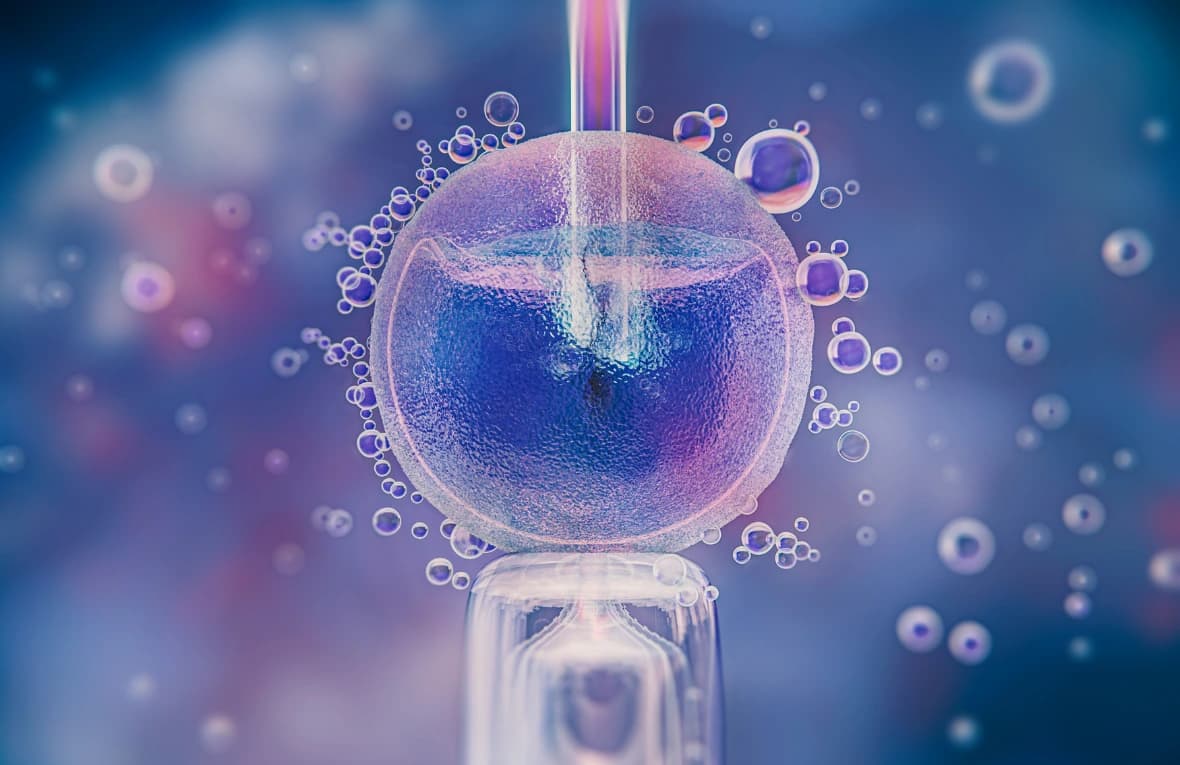
With donor eggs, the eggs are fertilised with your partner's sperm by IVF or ICSI and the embryo is transferred to your uterus. With donor sperm, treatment is usually IUI or IVF. - Consent and records
Written consent is taken from everyone involved, as the law requires, and records are kept confidentially.
Questions about egg and sperm donation
Is egg donation legal in India?
Yes. It is regulated by the Assisted Reproductive Technology (Regulation) Act, 2021. Donors must meet legal criteria, remain anonymous and are sourced through registered ART banks.
Will the baby be genetically ours?
With donor eggs, the baby is genetically related to the father, and the mother carries and gives birth to the baby. With donor sperm, the baby is genetically related to the mother.
Can we know who the donor is?
No. Under Indian law the donor's identity is kept confidential. You receive information on characteristics such as blood group, height and complexion.
Is counselling part of the process?
Yes. We encourage couples to take time and talk through the emotional and practical sides of donation before deciding.