


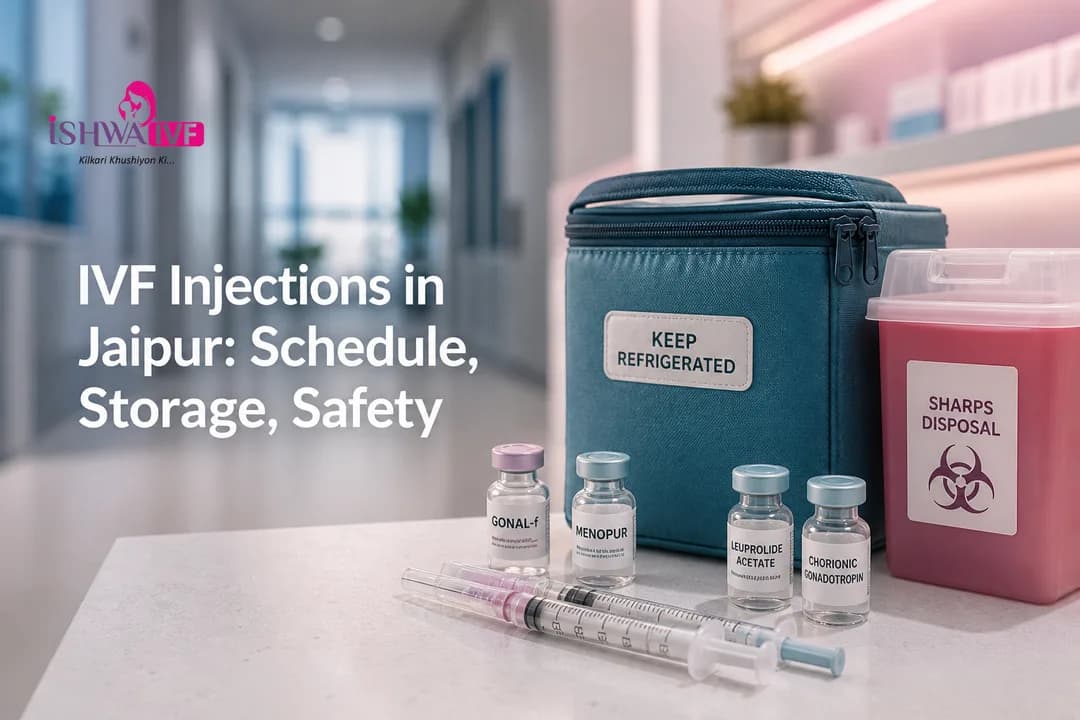
IVF Injections in Jaipur: Schedule, Storage, Safety
Feel confident with IVF medication shots: learn timing, safe storage, common side effects, and practical home tips from Jaipur fertility experts.
From our doctors
Fertility and IVF guides written and medically reviewed by Dr. Urmila Sharma and Dr. Zeepee Godha, gynecologists and IVF specialists in Jaipur.
Medical writers
Feel confident with IVF medication shots: learn timing, safe storage, common side effects, and practical home tips from Jaipur fertility experts.
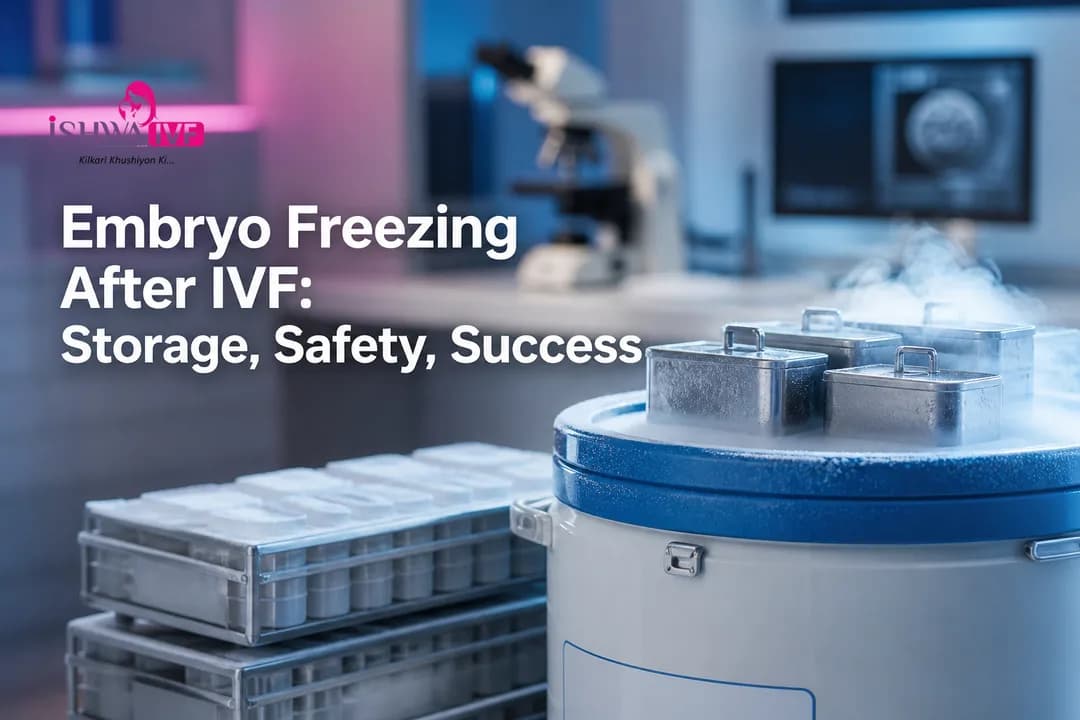
Learn how embryos are frozen after IVF, how storage stays secure, and what influences success when you return for a frozen embryo transfer.
Understand TESE and ICSI for male-factor cases, learn how fertilization works, and prepare smartly for your next IVF cycle with clarity.
Learn how endometriosis affects conception and the practical signs that IVF, ICSI, or IUI may be the next step in your fertility plan.
See the typical IVF schedule from prep to transfer, plus practical tips for scans, injections, retrieval, and the two-week wait as a couple.
Confused about donor eggs in IVF? Discover clear medical signs, success factors, and caring options with Ishwa IVF in Jaipur.
Start eight smart habits to prepare for treatment with PCOS in Jaipur. Build cycle readiness and take confident steps toward parenthood.
Discover how endocrine science shapes safer, smarter IVF decisions in Jaipur—clear steps, honest expectations, and compassionate care from Ishwa IVF.
How fibroids influence implantation, pregnancy rates, and when removal improves IVF outcomes, guidance from Gopalpura Jaipur experts.
Seven evidence-backed ways can lift your chances of pregnancy in Jhotwara, Jaipur — practical steps you can start today with Ishwa IVF.
Practical, calming steps to survive the IVF wait near Tonk Road—science-backed tips, daily plans, and when to call your specialist.
A practical Jaipur-focused nutrition plan to support fertility treatment, with foods, habits, and clinic-backed tips you can start today.
Understand how endometriosis influences IVF outcomes and learn expert-backed steps to boost your odds at Jaipur’s Ishwa IVF.

Curious about PGT-A in Jaipur? See how embryo testing can refine IVF decisions, reduce risk, and support a safer path to pregnancy.
Discover how ICSI tackles tough male factor cases in Jaipur, with clear steps, success insights, pricing basics, and a preparation checklist.
Actionable lifestyle steps to support treatment in Civil Lines—food, sleep, movement, and stress tools—guided by experienced IVF clinicians.
Get clarity on second opinions for IVF in Bapu Nagar, Jaipur – when to seek one, what to ask, and how to compare clinics.
Worried about treatment myths? Get 7 common IVF beliefs busted by Jaipur experts and learn what really drives success. Today.
Practical Jaipur-specific steps to prime your body, mind, and labs for IVF success—guided by clinicians, rooted in evidence.

Understand medication types, side effects, and safe self‑care in Jaipur. Learn pro tips, red‑flag symptoms, and simple routines that protect comfort.
The smartest questions to ask in Jaipur that clarify treatment, success rates, costs, and care before your first IVF cycle.
Jaipur couples: compare embryo freezing vs fresh transfer, with clear pros, risks, timing, and costs so you can choose confidently.
Confused between IUI and IVF at 35+? This Jaipur-focused roadmap explains tests, timing, costs, and success factors so you choose the fastest, safest path.
Walk through each stage of modern fertility treatment, from testing to embryo transfer, with practical tips from Jaipur experts.
Your trusted, plain-English guide to test tube baby care in Jaipur, covering steps, risks, costs, and picking the right clinic for your journey.
Smart, compassionate gynecology checkups in Adarsh Nagar with fertility diagnostics, treatment options, and clear next steps for your journey.
Struggling with male infertility in Jaipur? Learn when ICSI outperforms conventional treatment, what drives success, and how to choose with confidence.
Worried after IVF? Discover how Jaipur specialists manage high-risk pregnancies with vigilant monitoring, counseling, and care.
Discover when to freeze your eggs, what the process involves, and how frozen eggs fit into IVF plans with clear, clinic-tested advice.
Before treatment starts, know the key male tests that shape your IVF plan in Jaipur, and what to do next for higher confidence.
A thin uterine lining can challenge implantation. See causes, treatments, and recovery steps that help more embryos take hold.
Seven clear reasons behind failed embryo implantation with practical fixes, tests, and caring guidance to move forward with confidence.
PCOS can delay conception, yet many women still conceive naturally. See when to try, when to escalate, and how to plan. Smartly.
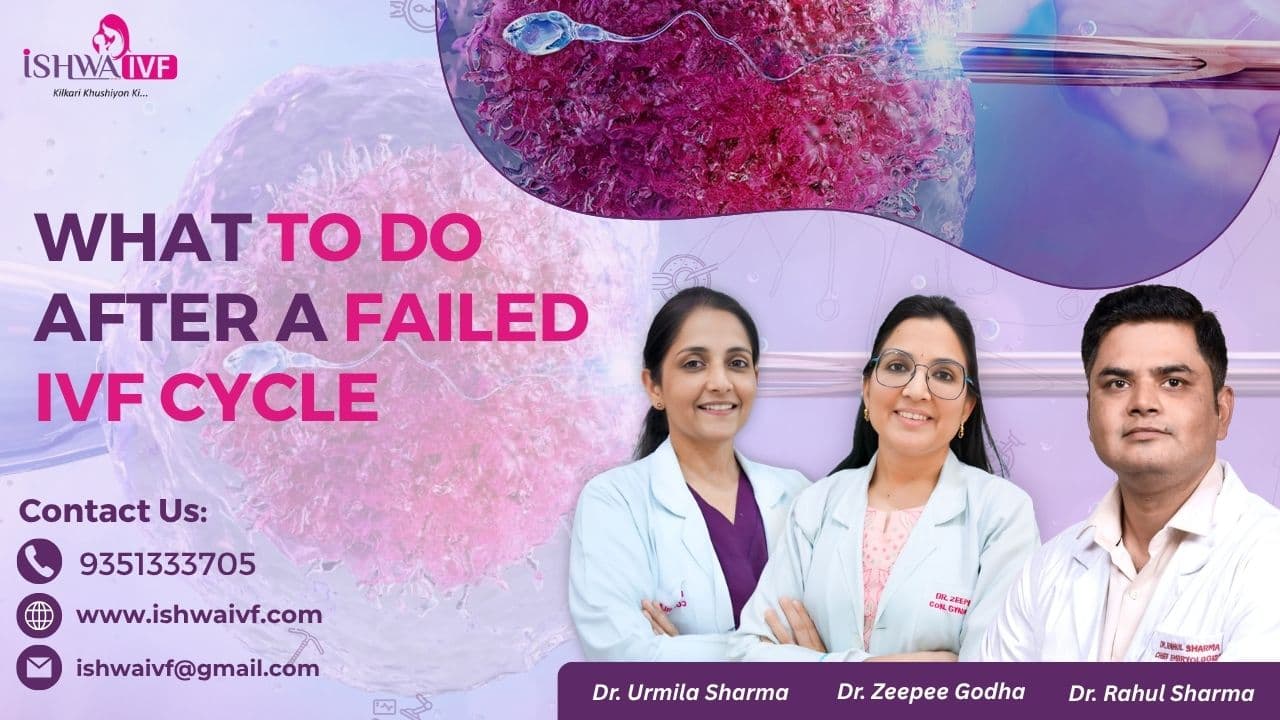
A failed IVF cycle can feel emotionally devastating. After weeks of hope, medications, doctor visits, and dreams of seeing a positive pregnancy test, hearing that the cycle was unsuccessful can leave couples heartbroken, confused, and emotionally exhausted. However, it’s important to remember one thing — a failed IVF attempt does not mean the end of your parenthood journey. Many couples achieve successful pregnancies after one or more failed IVF cycles. With the right medical evaluation, emotional support, and personalized treatment strategy, hope remains very much alive. At Ishwa IVF Jaipur, we guide couples through every challenge with compassion, advanced fertility care, and renewed confidence for the next step forward. Why Does an IVF Cycle Fail? IVF is one of the most advanced fertility treatments, but several biological and medical factors can affect success. Sometimes, even when everything appears normal, implantation may still not happen. Common Reasons for Failed IVF 1. Poor Embryo Quality Healthy embryo development plays a major role in successful implantation. Poor embryo quality can reduce pregnancy chances. 2. Implantation Failure In some cases, the embryo does not attach properly to the uterine lining, preventing pregnancy. 3. Egg Quality Issues As age increases, egg quality may decline, affecting fertilization and embryo development. 4. Sperm Problems Low sperm count, poor motility, or DNA fragmentation can impact embryo health and IVF success. 5. Uterine Conditions Fibroids, polyps, thin endometrium, or infections may interfere with implantation. 6. Hormonal Imbalance Conditions like PCOS, thyroid disorders, or elevated prolactin levels can affect IVF outcomes. 7. Genetic Factors Chromosomal abnormalities in embryos may prevent successful pregnancy or increase miscarriage risk. 8. Lifestyle Factors Smoking, obesity, stress, alcohol consumption, poor diet, and lack of sleep may negatively affect fertility. What Should You Do After a Failed IVF Cycle? A failed IVF cycle is emotionally difficult, but the next steps are extremely important. Instead of losing hope, focus on understanding what happened and how future treatment can improve success chances. 1. Allow Yourself Time to Heal Emotionally First and foremost, give yourself time to process your emotions. Feeling sadness, frustration, anger, or disappointment is completely natural after IVF failure. Emotional healing is just as important as physical recovery. Talking openly with your partner, family, counselor, or fertility specialist can help reduce emotional stress and rebuild confidence. 2. Schedule a Detailed Review with Your Fertility Specialist A follow-up consultation is one of the most important steps after IVF failure. Your fertility doctor will carefully review: At Ishwa IVF Jaipur, our specialists perform a detailed evaluation to identify possible reasons behind the failed cycle and create a better treatment strategy for future success. 3. Consider Additional Fertility Testing Sometimes, advanced investigations may help identify hidden fertility issues that affect implantation or embryo development. Additional Tests May Include: These tests help doctors personalize future IVF cycles more effectively. 4. Improve Lifestyle & Overall Health Small lifestyle changes can significantly improve fertility outcomes before the next IVF attempt. Healthy Lifestyle Tips Good physical and emotional health creates a stronger foundation for successful conception. How Soon Can You Try IVF Again? Many couples ask how long they should wait before trying another IVF cycle. The answer depends on individual medical conditions, emotional readiness, and your doctor’s recommendations. In many cases, doctors advise waiting for one or two menstrual cycles before starting again. This break allows the body to recover physically and emotionally. At Ishwa IVF Jaipur, we guide couples carefully to ensure the next cycle begins at the right time with improved preparation. Can IVF Work After a Failed Cycle? Yes — absolutely. A failed IVF cycle does not mean future cycles will fail too. In fact, many couples conceive successfully after adjusting treatment protocols or identifying underlying issues. Future IVF Success Can Improve With: Every IVF cycle provides valuable information that helps fertility specialists optimize the next attempt. Hope After IVF Failure — You Are Not Alone One failed IVF cycle does not define your journey. Many successful parents once stood exactly where you are today — emotionally drained but still hopeful. At Ishwa IVF Jaipur, we understand the emotional impact of fertility struggles. Therefore, we focus not only on medical treatment but also on emotional reassurance, patient counseling, and compassionate support throughout your journey. Our experienced fertility specialists — Dr. Urmila Sharma, Dr. Zeepee Ma’am, and Dr. Rahul Sharma — work closely with each couple to design personalized fertility solutions that maximize future success. Why Choose Ishwa IVF Jaipur After a Failed IVF Cycle? What Makes Ishwa IVF Different? We believe that every failed cycle brings us one step closer to finding the right solution. Conclusion A failed IVF cycle can feel heartbreaking, but it does not mean your dream of parenthood is over. With proper evaluation, advanced fertility care, emotional support, and a personalized treatment plan, many couples go on to achieve successful pregnancies after previous IVF failures. At Ishwa IVF Jaipur, we stand beside you with expertise, compassion, and hope — helping you move forward with confidence and renewed optimism. Your journey may be difficult today, but your success story could still be waiting tomorrow. Contact Us Ishwa IVF Clinic1st Floor, Ganga Heights, Tonk Road(Near Gopalpura Flyover, Opposite Jaipur Hospital)Kailash Puri Colony, Jaipur – 302018 📞 Phone: 9351333705
Introduction If you’ve been diagnosed with low AMH (Anti-Müllerian Hormone) in Jaipur and are planning IVF, you’re not alone. A growing number of women today are facing diminished ovarian reserve (DOR)—a condition where the number of eggs in the ovaries is lower than expected. For many couples in Jaipur, this becomes stressful—especially when they wish to conceive using their own eggs (self oocytes) instead of opting for donor programs. One emerging treatment that has gained attention is Ovarian PRP (Platelet-Rich Plasma therapy). But how effective is it? Is it available in Jaipur? And most importantly—is it the right choice for you? At ISHWA IVF Jaipur, we focus on evidence-based fertility treatments with honest counselling. This blog will help you understand everything about ovarian PRP in a clear, practical, and medically accurate way. What is Low AMH and Why is it Important in IVF? AMH is a hormone that reflects your ovarian reserve (egg count). What does low AMH indicate? However: 👉 Low AMH does NOT mean you cannot conceive 👉 It mainly reflects quantity, not always egg quality In IVF, though, women with low AMH in Jaipur often face: This is why supportive treatments like PRP are being explored. What is Ovarian PRP? Ovarian PRP (Platelet-Rich Plasma) is a regenerative fertility technique. Procedure Overview: Why PRP? PRP contains: These may help improve ovarian function in some patients. How Ovarian PRP Works (Scientific Perspective) The concept of PRP comes from regenerative medicine. Proposed benefits: ⚠️ Important: These effects are not guaranteed and are still under scientific research. Can Ovarian PRP Help in Low AMH Patients in Jaipur? The honest answer: Ovarian PRP is not a miracle solution, but it may help in selected patients. Who may benefit? Expected outcomes: 👉 But results vary significantly from patient to patient. What Do Fertility Guidelines Say About PRP? This is crucial for anyone considering treatment in Jaipur. Current medical stance: Why this matters: Some clinics may overpromise results. At ISHWA IVF Jaipur: ✔ We follow ethical, evidence-based practice ✔ We avoid unnecessary procedures ✔ We provide clear, transparent counselling Who is a Good Candidate for Ovarian PRP? Suitable patients: 👉 Proper evaluation is essential before considering PRP. Who Should NOT Consider Ovarian PRP? Not recommended in: 👉 In such cases, PRP may delay more effective treatment options. Benefits and Limitations of Ovarian PRP Benefits: Limitations: Ovarian PRP vs Other IVF Options in Jaipur Before choosing PRP, patients should evaluate all available fertility options: Standard approaches: 👉 PRP should be considered as a supportive option—not a primary solution Our Approach at ISHWA IVF Jaipur At ISHWA IVF Jaipur, we prioritize: ✔ Evidence-Based Treatment We do not recommend PRP as a routine procedure. ✔ Selective Use PRP is offered only in carefully chosen cases. ✔ Transparent Counselling Patients are clearly informed about: ✔ Personalized Fertility Planning Every patient gets a custom IVF strategy, not a generic plan. Why Patients in Jaipur Trust ISHWA IVF Emotional Reality: Beyond Treatment Low AMH diagnosis can be emotionally challenging for couples in Jaipur. Many patients: Ovarian PRP often appears as a ray of hope. But at ISHWA IVF, we believe: 👉 Hope should always be supported by science and transparency Final Takeaway Ovarian PRP is a promising but still evolving fertility treatment. ✔ May benefit a small group of patients ✔ Not a standard or guaranteed solution ✔ Requires careful patient selection and counselling If you are in Jaipur and dealing with low AMH: 👉 The best step is personalized fertility planning 👉 Not blindly following new or trending treatments Book a Consultation at ISHWA IVF Jaipur If you are searching for: ISHWA IVF offers honest, expert-led fertility care tailored to your needs.
“There Are So Many Clinics. How Do We Even Begin?” Neha and Sameer had spent three Sundays in a row doing the same thing. Sitting at the kitchen table, laptop open, searching for IVF clinics in Jaipur. Every clinic had a website. Every website had a smiling doctor, a success rate claim, and a free consultation offer. Every brochure said the same things in slightly different fonts. After three weekends, they were no closer to a decision. In fact, they were more confused than when they had started. How do you know who is actually good? How do you know you are not just falling for the most polished website? That question is one of the most important ones a couple facing infertility can ask. Choosing the right IVF center is not just a medical decision. It shapes your experience, your emotional state, your finances, and ultimately your chances of success over the months ahead. This blog is a practical, no-fluff guide on how to choose the best IVF center in Jaipur — the real factors that matter, the questions worth asking, and the warning signs most people only recognize in hindsight. Why Your Choice of Clinic Matters More Than You Think Many couples approach IVF clinic selection the way they would choose a restaurant — based on location, price, and how good the photos look online. That works fine for dinner. It is not enough for something this important. The IVF center you choose determines how your eggs are handled in the lab, how closely your cycle is monitored, how honestly your doctor communicates when things are not going as planned, and how supported you feel on the days when the emotional weight of treatment becomes very heavy. Two clinics can quote you the same procedure at similar prices. The outcomes, the experience, and the level of transparency can still be entirely different. Knowing how to choose the best IVF center in Jaipur means understanding what sits behind the brochure. 1. Look at Success Rates — But Ask the Right Question Every IVF clinic in Jaipur will quote a success rate. That number alone tells you very little. The more important question is: success rate for which patients? A clinic that primarily treats younger women with straightforward cases will naturally report higher numbers than one that handles complex, high-risk cases. Neither number is dishonest, but the context changes everything. During your consultation, ask specifically about success rates for patients your age and with your diagnosis. Ask whether the clinic reports clinical pregnancy rates or live birth rates, because these are meaningfully different figures. A clinic that answers these questions clearly and without hesitation is already showing you something important about how it operates. 2. The Embryology Lab Is the Heart of Any IVF Center Most couples spend their energy evaluating the doctor. Far fewer think carefully about what happens in the room next door — and that room is where your embryos develop. The embryology lab directly determines fertilization rates, embryo quality, and how many viable embryos are available for transfer and freezing. Advanced incubators, stable temperature and CO2 control, quality culture media, and the experience of the embryologist working there all shape outcomes in ways that are invisible to the patient but entirely real in the results. When you visit a clinic, ask about the lab setup. A confident, transparent clinic will not hesitate to discuss it. One that deflects or quickly changes the subject is worth noting. 3. Match the Doctor’s Experience to Your Specific Case There is a clear difference between a gynecologist who occasionally performs IVF and a specialist who has built an entire practice around reproductive medicine. Both may hold valid qualifications. The depth of experience, however, is not the same. Beyond general experience, look at whether the doctor has handled cases similar to yours. PCOS-related infertility, unexplained infertility, recurrent implantation failure, male factor infertility, and advanced maternal age each require a different protocol and a different level of clinical nuance. A doctor who has managed hundreds of cases like yours brings something a generalist simply cannot replicate. 4. Transparent Pricing Is a Trust Signal IVF is expensive, and that is a reality most couples are already facing when they begin their search. What makes it harder is when pricing is broken into hidden add-ons or presented as a promotional package that quietly excludes the most expensive components. A clinic that walks you through the complete cost picture — the base cycle, medications, additional procedures, monitoring visits, and freezing charges — before you commit is showing you a level of respect that matters. A clinic that pressures you into a quick decision or makes pricing feel deliberately confusing is telling you something about how it works. Knowing the full picture upfront, even when the total is higher than expected, is always better than financial surprises in the middle of treatment. 5. Your First Consultation Tells You Almost Everything Pay close attention to how the first appointment feels — not just what is said. Did the doctor spend enough time with you, or did the consultation feel rushed? Were your questions answered directly, or were you redirected to a pamphlet? Did you leave the clinic knowing exactly what the next step was, or did you walk out uncertain? The first consultation is a preview of how that clinic will treat you throughout your entire treatment. IVF cycles can last months. You will have multiple monitoring visits, difficult conversations, and moments when you need your medical team to be fully present. The clinic that felt warm and honest in week one almost always continues that way in week ten. 6. Never Choose Based on Price Alone This is worth saying directly. The cheapest IVF option in Jaipur is rarely the best one, and choosing based on the lowest price is one of the most common mistakes couples make. That is not to say expensive clinics are automatically better — cost alone proves nothing. But when…
“I’m Terrified It’s Going to Hurt” Riya had already been through the hardest part — or so everyone kept telling her. The injections were done. The egg retrieval was behind her. Three good embryos were waiting safely in the lab. All that remained was the transfer — the moment her doctor would place one of those embryos into her uterus and the real waiting would begin. But instead of feeling relieved, Riya spent the night before reading horror stories online. Transfer pain. Failed implantation. Bed rest for two weeks. Five different forums giving five completely different answers. By morning, she was more anxious than she had been at any point in the entire IVF process. If that sounds familiar — if you are about to go through the embryo transfer procedure in Jaipur and genuinely do not know what to expect — this blog is for you. No vague reassurances. No clinical language. Just a clear, honest walkthrough of what the procedure involves, what your body typically feels, and what comes next. What is an Embryo Transfer? The embryo transfer procedure in Jaipur is the final clinical step in an IVF cycle. After your eggs are retrieved, fertilised in the lab, and developed into embryos over three to five days, the strongest one or two embryos are placed into your uterus through a thin, soft catheter. No anaesthesia. No incisions. Most women are in and out of the procedure room in under thirty minutes. The procedure itself is straightforward. What makes it feel significant is everything riding on it — and that is completely understandable. Fresh Transfer or Frozen Transfer — What Is the Difference? Before getting into the steps, it helps to know which type of transfer you are having — because the preparation is slightly different for each. A fresh embryo transfer takes place three to five days after egg retrieval, using embryos developed in that same cycle. A frozen embryo transfer (FET) uses embryos from a previous cycle that were frozen and are now thawed for use. FET cycles have become increasingly common because giving the body time to recover from stimulation often improves the uterine environment before implantation. Your doctor would have already recommended one based on your hormone levels, embryo quality, and overall cycle response. How to Prepare for Your Embryo Transfer in Jaipur The preparation in the days before transfer is specific, and your clinic will walk you through it in detail. Generally it includes: Step by Step — What Happens on Transfer Day When you arrive, a nurse confirms your identity and your embryo details before anything begins. The embryologist prepares your embryo in the lab while you get settled in the procedure room. The procedure itself starts with you lying on an examination table — same position as a routine gynaecological check. The doctor places a speculum to access the cervix. A thin, flexible catheter is then guided gently through the cervix into the uterine cavity. Most women feel mild pressure at this point, not pain. Some feel almost nothing at all. The embryo is loaded into the tip of the catheter by the embryologist in a tiny drop of fluid. Under ultrasound guidance, the doctor advances the catheter to the right position inside the uterus and releases the embryo with a gentle push. The catheter is withdrawn and the embryologist immediately checks it under the microscope to confirm the embryo was released successfully. This takes about sixty seconds. Then it is over. You rest for around thirty minutes and go home. That is genuinely all there is to it. Does It Hurt? For most women — no, not really. The most common description is that it feels similar to a cervical smear. There is some pressure when the speculum goes in, and occasionally a brief cramping sensation as the catheter passes through the cervix. Women with a narrow cervical opening sometimes find that part slightly uncomfortable, but it passes quickly. Honestly, the emotional weight of the moment tends to be heavier than any physical discomfort. If you feel tense, tell the nurse. Slow, steady breathing genuinely helps. The procedure moves fast. How Many Embryos Are Transferred? In most cases, one to two embryos are transferred depending on your age, embryo quality, and IVF history. Transferring more embryos does not automatically mean a higher chance of success. It mainly increases the likelihood of twins or multiples, which carries its own set of medical considerations. Your doctor will discuss the exact number with you after reviewing the embryo grading report. Any remaining good-quality embryos are frozen for future use — so a single retrieval cycle can support multiple attempts if needed. The Two-Week Wait — What Nobody Warns You About The embryo transfer procedure in Jaipur takes minutes. What follows is the part most couples find genuinely difficult. A few things worth knowing during those two weeks: Light spotting can happen. Implantation bleeding around 6 to 10 days after transfer is normal and does not mean anything has gone wrong. Cramping is common — and confusing. It can occur both when implantation is happening and when it is not. Do not read too much into it. Do not stop your medications. Keep taking all prescribed progesterone support until your doctor explicitly tells you otherwise, regardless of how you feel. Bed rest is not necessary. Lying flat for days has not been shown to improve implantation. Normal, light daily activity is fine. Avoid intense exercise, heavy lifting, and very hot baths — but otherwise, live your normal life. Test on the day your clinic tells you. Testing too early can give a false result because hCG levels need time to build. Day 14 post-transfer is the standard window. What Decides Whether the Embryo Implants? This is what every couple really wants to know — and the honest answer involves some variables that even the best doctors cannot fully control. Embryo quality matters a great deal. So does the thickness and receptivity of the…
“What Exactly Happens to My Eggs in There?” Sonal had been giving herself injections every single morning for twelve days. She tracked her ultrasounds on a notepad, remembered every medicine name, and had read about IVF more than she had read anything in her entire life. By any measure, she was prepared. But when her doctor said “your egg retrieval is on Thursday,” something shifted. She looked at Deepak. He looked at her. And for a long moment, neither of them said anything. Because prepared or not — they had no idea what was actually going to happen inside that room. “Will I be awake? Does it hurt? What do they do with the eggs after?” Most couples carry these questions silently. Either the appointment moves too fast, or they feel awkward asking something that feels too basic. So they nod, smile, and quietly panic on the drive home. If that sounds familiar, keep reading. This is a straightforward, no-jargon breakdown of ovum pickup in IVF — what it is, what happens step by step, how your body typically responds, and what comes next. By the time you finish this page, Thursday will feel a lot less scary. So What is Ovum Pickup, Exactly? Ovum pickup in IVF is the procedure where your fertility doctor collects mature eggs directly from your ovaries. It is also called egg retrieval or follicular aspiration — different names, same thing. Here is the simple version of why it is needed. Normally, your body releases one egg per cycle on its own. During IVF, fertility injections encourage your ovaries to develop several follicles at once — each one potentially holding a mature egg. The ovum pickup procedure collects those eggs before your body releases them naturally, so the embryologist can fertilise them in the lab. The procedure itself takes roughly 15 to 25 minutes. You go home the same day. It is genuinely one of the less complicated parts of IVF — it just sounds intimidating because nobody explains it clearly enough. When Does It Happen During the IVF Cycle? Timing during ovum pickup in IVF is not approximate — it is precise down to the hour. Your doctor monitors your follicle growth through regular ultrasounds across 8 to 12 days of stimulation. Once the follicles reach the right size — typically around 18 to 20mm — you receive a trigger injection, usually hCG. This shot signals your body to complete the final maturation of the eggs. Retrieval is then scheduled exactly 34 to 36 hours after that trigger shot. Not 30 hours, not 40. That window matters because go too early and the eggs are not ready; wait too long and the body releases them on its own before the doctor can collect them. Your team will give you a precise time and they mean it. What Happens Step by Step on Retrieval Day This is the part people most want to know — and the part most fertility websites gloss over entirely. Before the procedure, you arrive fasting, as your clinic advises. An anaesthetist administers either short general anaesthesia or light sedation — enough to keep you completely comfortable throughout. Most women have zero memory of the procedure and wake up in the recovery area wondering when it started. During the retrieval, the doctor uses a transvaginal ultrasound probe to see the follicles clearly on screen. A fine needle — attached to the probe — passes through the vaginal wall and into each follicle one by one. The fluid and egg inside each follicle are gently drawn out through light suction. There is no abdominal incision, no stitches, nothing surgical in the traditional sense. The whole thing is image-guided, targeted, and methodical. In the lab next door, the embryologist examines each fluid sample under a microscope as it arrives — identifying and isolating every egg in real time. The two rooms work in sync. By the time the procedure wraps up, the lab already knows exactly what has been collected. Recovery takes about one to two hours in a rest area at the clinic. Some women feel fine quite quickly. Others feel groggy and tired for a few hours, which is completely normal. You need someone to drive you home — do not plan on going alone. The same afternoon, your partner provides a sperm sample. Fertilisation begins that day — either through conventional IVF or ICSI depending on your case — and your embryos start developing in the incubator. Will It Hurt? Not during the procedure — that is the straightforward answer. The sedation takes care of that completely. Afterwards is a different story, and it is worth being honest about it. Most women feel some degree of pelvic cramping for 24 to 48 hours, similar in feel to the first day of a period. Some bloating is common, particularly if several follicles were retrieved. Light spotting can occur and is not a cause for concern. Rest at home for the remainder of that day. Most women feel noticeably better by the next morning. If you experience sharp pain, a high fever, or heavy bleeding, contact your clinic without waiting — those are signs that need to be checked promptly. How Many Eggs Will Be Collected? Couples often put a lot of emotional weight on this number — understandably so. Most doctors aim for somewhere between 8 and 15 mature eggs, though both lower and higher numbers are entirely normal depending on the individual. What matters far more than quantity is quality. Five excellent eggs will produce better outcomes than fifteen average ones. Your embryologist grades each egg carefully and works with what is genuinely viable, not just what is numerically satisfying. Your age, your AMH levels, whether you have PCOS, and how your body responded to stimulation all influence the final count. Some women are surprised by fewer eggs than expected. Others are surprised by more. Either way, one good embryo is all it takes. The Five Days After Ovum…
IVF Success Rate in Jaipur 2026 Meena and Vikram are from Kota. For three years, they tried everything their local doctors suggested — lifestyle changes, medicines, two rounds of IUI. Nothing worked. Eventually, a friend told them about a fertility specialist in Jaipur. So they packed a bag, booked a hotel for two nights, and drove 200 kilometres on nothing but hope. Their first question when they sat across the doctor was not about cost, not about procedure, not about timelines. It was simply — “Doctor sahab, IVF success rate kitni hai? Humara chance hai kya?” If that question is sitting in your heart right now, this blog is written for you. Understanding the IVF success rate in Jaipur — honestly, without sugar-coating — is the most important thing you can do before starting your fertility journey. So let us walk through everything, clearly and patiently. What Does “IVF Success Rate” Actually Mean? Before diving into numbers, it is important to understand what success rate truly means in IVF. Most clinics report success rate as the percentage of embryo transfer cycles that result in a confirmed pregnancy or a live birth. However, these two figures are different — and that distinction matters enormously. Always ask clinics which number they are quoting. A transparent clinic will share both figures without hesitation. IVF Success Rate in Jaipur — What the Numbers Tell Us Here is the honest answer — IVF success rate in Jaipur varies significantly from couple to couple, and from clinic to clinic. Generally speaking, well-equipped IVF centres in Jaipur report success rates between 40% and 65% per cycle, depending on several key factors. However, that range tells only part of the story. The more important question is — what affects where your result falls within that range? Let us break it down properly. Key Factors That Affect Your IVF Success Rate in Jaipur 1. Age of the Female Partner — The Single Biggest Factor Age plays a more decisive role in IVF success than almost any other variable. Therefore, the earlier a couple seeks consultation, the better the overall odds tend to be. 2. Quality of Eggs and Sperm Even within the same age group, egg and sperm quality varies considerably. Factors like hormone levels, ovarian reserve (measured through the AMH test), sperm motility, and morphology all directly influence how well fertilisation occurs in the lab. 3. Embryo Quality and Lab Standards Fertilisation is only the beginning. Consequently, how well the embryo develops inside the lab — and the quality of the incubators, culture media, and monitoring systems — shapes whether a healthy blastocyst forms for transfer. 4. The Underlying Cause of Infertility Not all infertility cases carry the same prognosis. For instance, tubal factor infertility typically responds very well to IVF. PCOS patients, on the other hand, need careful stimulation protocols to avoid OHSS. Male factor infertility, when addressed with ICSI, can see dramatically improved fertilisation rates. 5. Number of Previous IVF Attempts Cumulative success — meaning success across multiple cycles — is often higher than single-cycle success. Many couples who do not conceive in the first cycle go on to succeed in the second or third, especially when frozen embryos are available from the initial retrieval. 6. Clinic Technology and Doctor Expertise Finally, the quality of the IVF centre itself makes a real difference. Advanced labs, experienced embryologists, and personalised stimulation protocols collectively improve outcomes in ways that basic facilities simply cannot match. What Reduces IVF Success Rate — Honest Truths Most Blogs Skip Many blogs only share what improves success. However, it is equally important to understand what works against it: The good news is that several of these factors are addressable before your IVF cycle even begins. How to Improve Your IVF Success Rate Before Treatment Begins While medical factors matter enormously, lifestyle adjustments also play a meaningful supporting role. Here is what fertility specialists consistently recommend: Small, consistent changes compound meaningfully over the weeks leading up to treatment. Why Couples from Across Rajasthan Choose Ishwa IVF, Jaipur When Meena and Vikram from Kota walked into Ishwa IVF, Jaipur, they were not just looking for a procedure. They were looking for a team that would be honest with them — even when the answers were difficult. That is exactly what sets Ishwa IVF apart. The medical team here includes: Furthermore, what patients from Ajmer, Kota, Alwar, and Sikar consistently share after treatment is not just gratitude for results — it is gratitude for being told the truth from day one. At Ishwa IVF, the IVF success rate in Jaipur is not a marketing number. It is the outcome of careful science, honest communication, and genuine care for every patient who walks through the door. Conclusion — Success is Possible. The Right Team Makes All the Difference. There is no universal answer to “what is the IVF success rate in Jaipur?” — because your journey is not universal. Your age, your reports, your embryo quality, and the expertise of the team you choose all write your personal success story together. However, one thing remains true for every couple — starting with honest information, and the right specialist by your side, gives you the strongest possible foundation. Meena and Vikram, by the way, made that 200-kilometre drive twice more — once for their embryo transfer, and once to show their son to the team that helped him arrive. 📞 Know Your Personal IVF Success Rate — Book a Consultation at Ishwa IVF Since success rates differ for every couple, the only way to understand your real chances is through a thorough evaluation with an experienced specialist. Book your personalised consultation at Ishwa IVF, Jaipur today. Our team will review your reports, explain your prognosis clearly, and answer every question — with complete transparency and zero pressure. Because hope deserves honesty. 💛 Contact Us Ishwa IVF Clinic1st Floor, Ganga Heights, Tonk Road(Near Gopalpura Flyover, Opposite Jaipur Hospital)Kailash Puri Colony, Jaipur – 302018📞 Phone: 9351333705
Infertility treatment is an emotional journey. When couples choose IVF treatment, they step forward with hope after months or sometimes years of trying to conceive naturally. However, when an IVF cycle does not result in pregnancy, it often brings confusion, disappointment, and many unanswered questions. The most important truth every couple should understand is: IVF increases the chances of pregnancy, but it cannot guarantee success in a single attempt. At a trusted best IVF center in Jaipur, specialists carefully analyze every cycle to understand what worked and what needs improvement for future success. Let’s understand IVF failure clearly, scientifically, and with reassurance. What Does IVF Failure Mean? IVF failure occurs when the embryo transferred into the uterus does not successfully implant or stops developing at a very early stage. Sometimes all reports appear normal: Yet pregnancy may still not occur. This happens because IVF success depends on multiple biological factors working perfectly together at the same time. Three Key Factors That Decide IVF Success Successful IVF in Jaipur or anywhere in the world mainly depends on three essential elements: If even one factor is slightly compromised, implantation may fail. Now let’s explore the most common medical reasons behind IVF failure. 1. Female Age and Egg Quality Age plays one of the biggest roles in IVF success rates. As maternal age increases: After the age of 35, these changes become more noticeable. Younger women generally produce stronger embryos, which improves implantation chances during IVF treatment in Jaipur. 2. Ovarian Reserve (Egg Count) Some women may have a low ovarian reserve even at a young age. Doctors evaluate this using the AMH test. Low ovarian reserve may lead to: This does not mean IVF cannot work. It simply means multiple cycles or personalized fertility planning may be required at an experienced fertility center in Jaipur. 3. Sperm Quality Matters Equally IVF success is not dependent only on female fertility. Healthy sperm contributes equally to embryo development. Issues such as: can affect embryo quality and implantation success. Advanced procedures like ICSI treatment in Jaipur are often recommended in such cases. 4. Chromosomal Abnormalities in the Embryo Even embryos that look healthy under laboratory observation may carry chromosomal defects. These embryos may: This is one of the most common causes of IVF failure, especially in women above 35 years. Modern fertility clinics offering advanced IVF services in Jaipur may recommend genetic screening when needed. 5. Uterine Factors Affecting Implantation A healthy uterus is essential for embryo attachment. Conditions that may reduce implantation include: Proper uterine evaluation before IVF significantly improves outcomes at the best fertility clinic in Jaipur. 6. Poor Ovarian Response to Stimulation Some patients respond less effectively to hormonal stimulation injections. This may result in: Experienced IVF specialists modify stimulation protocols in future attempts to improve response. 7. Lifestyle Factors That Influence IVF Success Lifestyle has a direct impact on fertility outcomes. Factors known to reduce IVF success include: Adopting healthier habits before starting IVF treatment in Jaipur can significantly improve success rates. 8. Embryo Transfer Technique Embryo transfer is a delicate and highly precise procedure. Success depends on: Even minor technical variations can influence implantation outcomes, which is why choosing an experienced IVF specialist in Jaipur is crucial. Important Message for Couples Undergoing IVF An unsuccessful IVF cycle does not mean: It simply means that this particular cycle did not succeed. Globally, many couples achieve pregnancy after multiple IVF attempts. Each cycle provides valuable medical insights that help doctors refine treatment strategies and improve future success chances. Hope Beyond One IVF Cycle Infertility treatment is a step-by-step journey, not a single event. With advances in reproductive medicine, personalized protocols, and expert care available at the best IVF center in Jaipur, success rates continue to improve every year. Patience, proper evaluation, and the right medical guidance often make all the difference. Final Thought IVF failure is not the end of the journey.It is often a learning phase that brings doctors one step closer to achieving a successful pregnancy. If you are planning or undergoing IVF in Jaipur, consult an experienced fertility specialist who focuses on individualized treatment and compassionate care. Because every attempt brings new understanding and renewed hope. Contact Us Ishwa IVF Clinic1st Floor, Ganga Heights, Tonk Road(Near Gopalpura Flyover, Opposite Jaipur Hospital)Kailash Puri Colony, Jaipur – 302018📞 Phone: 9351333705
Infertility affects a growing number of couples worldwide, and infertility treatment for couples is no longer a limitation but a medically proven and effective solution. With advancements in reproductive medicine, couples now have reliable options to achieve parenthood. Therefore, understanding infertility, identifying its causes early, and choosing the right treatment approach play a decisive role in success. In this guide, we explain infertility in couples, outline key diagnostic tests, and clearly define when IVF becomes necessary, helping couples make informed and confident decisions. What Infertility Means for Couples Infertility refers to the inability to conceive after 12 months of regular, unprotected intercourse. However, for women above 35, doctors recommend evaluation after six months. Importantly, infertility affects both partners equally. In fact: Therefore, evaluating both partners together ensures faster diagnosis and better outcomes. Primary Causes of Female Infertility Female infertility often develops due to hormonal imbalances, anatomical conditions, or age-related factors. Moreover, early identification significantly improves treatment success. 1. Ovulation Disorders Ovulation disorders remain one of the most common causes. Conditions such as PCOS, thyroid imbalance, and hormonal irregularities prevent consistent egg release. Consequently, conception becomes difficult without medical intervention. 2. Blocked Fallopian Tubes When fallopian tubes remain blocked or damaged, sperm cannot reach the egg. This condition often results from infections, pelvic inflammation, tuberculosis, or previous surgeries. 3. Endometriosis Endometriosis disrupts fertility by affecting egg quality and implantation. Additionally, it often causes chronic pelvic pain and irregular cycles. 4. Age-Related Decline As women age, egg quality declines naturally. Therefore, women above 35 often require timely fertility intervention. Leading Causes of Male Infertility Male infertility plays an equally important role. However, couples often overlook it during early evaluation. 1. Oligospermia or Motility Oligospermia or poor movement reduces fertilization chances significantly. Therefore, semen analysis remains a critical first step. 2. Varicocele Varicocele increases testicular temperature. Consequently, sperm production and quality decline. 3. Hormonal Imbalances Hormonal disruptions reduce sperm development. In such cases, corrective treatment restores fertility potential. 4. Lifestyle Factors Smoking, alcohol consumption, obesity, and stress directly affect sperm health. Hence, lifestyle correction remains essential alongside medical treatment. Essential Fertility Tests for Accurate Diagnosis A structured fertility evaluation allows us to identify the cause quickly and accurately. Tests for Women Tests for Men As a result, personalized treatment planning becomes possible instead of trial-and-error approaches. When IVF Becomes the Right Choice IVF offers a highly effective solution when conventional treatments fail. During IVF, specialists fertilize eggs with sperm in a controlled laboratory environment and then transfer the healthiest embryo into the uterus. IVF Is Recommended When: Therefore, choosing IVF at the right time prevents unnecessary delays and emotional stress. Why IVF Success Depends on the Right Center IVF success depends on expertise, technology, and individualized care. Consequently, couples searching for the best IVF center near me must focus on experience rather than marketing claims. Similarly, couples seeking the best IVF in Jaipur should consider: As a result, outcomes improve while emotional and financial burdens reduce. Lifestyle Changes That Improve Fertility Outcomes Alongside medical treatment, lifestyle improvements play a crucial role. Therefore, we recommend: Together, these changes significantly enhance IVF and natural conception success. Emotional Support During Fertility Treatment Infertility affects emotional well-being deeply. Hence, emotional support remains a vital component of fertility care. Clear communication, counseling, and reassurance help couples remain confident throughout treatment. Final Thoughts Infertility does not define a couple’s future. Instead, with accurate diagnosis, timely intervention, and advanced treatments like IVF, parenthood becomes achievable. By choosing the best IVF center near me or the best IVF in Jaipur, couples significantly improve their chances of success. With expert guidance, ethical care, and personalized treatment, the journey toward parenthood becomes structured, hopeful, and successful. Contact Us Ishwa IVF Clinic1st Floor, Ganga Heights, Tonk Road(Near Gopalpura Flyover, Opposite Jaipur Hospital)Kailash Puri Colony, Jaipur – 302018📞 Phone: 9351333705
Infertility is a deeply personal journey, and understanding the difference between IUI vs IVF vs ICSI is one of the most important steps when choosing the right fertility treatment. For couples exploring advanced reproductive care, clarity about IUI vs IVF vs ICSI helps set realistic expectations and supports confident decision-making from the very beginning. As couples search online for the best IVF center near me or the best IVF in Jaipur, many feel overwhelmed by the available options—especially when deciding between IUI, IVF, and ICSI. Each treatment has a distinct medical purpose, and understanding how IUI vs IVF vs ICSI differs can empower couples to move forward with clarity and confidence. Understanding Fertility Treatment Options Modern reproductive medicine offers scientifically advanced solutions for a wide range of fertility challenges. The choice between IUI, IVF, or ICSI depends on factors such as age, hormonal health, sperm quality, duration of infertility, and prior treatment history. We follow a structured, evidence-based approach to ensure that every couple receives the most appropriate care. IUI (Intrauterine Insemination): A Gentle First-Line Option IUI is often recommended as an initial treatment for couples with mild fertility concerns. Who Benefits Most from IUI How IUI Works In IUI, healthy and motile sperm are carefully prepared in a laboratory and placed directly into the uterus during ovulation. This shortens the sperm’s journey and improves the chances of fertilization. Advantages of IUI Limitations of IUI IVF (In Vitro Fertilization): The Gold Standard in Fertility Care IVF is globally recognized as the most effective fertility treatment for complex infertility cases. Couples searching for the best IVF in Jaipur often choose IVF for its consistently high success rates. When IVF Is Recommended IVF Treatment Process IVF involves ovarian stimulation, egg retrieval, fertilization in a controlled laboratory environment, and embryo transfer into the uterus. Every stage is closely monitored by fertility specialists and embryologists. Key Benefits of IVF IVF Success Factors ICSI (Intracytoplasmic Sperm Injection): Precision for Male Infertility ICSI is an advanced form of IVF specifically designed for severe male factor infertility. Who Should Consider ICSI How ICSI Differs from IVF In ICSI, a single healthy sperm is injected directly into the egg using high-precision micromanipulation tools. This eliminates many natural barriers to fertilization. Why ICSI Improves Outcomes IUI vs IVF vs ICSI: A Clear Comparison Treatment Ideal For Success Rate Complexity IUI Mild infertility Low–Moderate Low IVF Multiple infertility factors High Moderate ICSI Severe male infertility Very High Advanced This comparison highlights why personalized fertility planning is essential rather than a one-size-fits-all approach. How We Decide the Best Fertility Treatment for You At our center, we follow a comprehensive diagnostic and counseling process before recommending any procedure. Our Evaluation Includes This allows us to recommend the most effective pathway—whether IUI, IVF, or ICSI—based on medical evidence, not assumptions. Why Couples Choose Us for IVF Treatment Couples searching online for the Best IVF center near me trust us because of our commitment to ethical care, transparent communication, and advanced reproductive technologies. What Sets Our Practice Apart Our focus is not just conception, but a healthy pregnancy and a positive patient experience. IVF in Jaipur: A Destination for Advanced Fertility Care Jaipur has emerged as a trusted hub for reproductive medicine. With advanced infrastructure, skilled specialists, and cost-effective treatment options, many couples now consider the best IVF in Jaipur as a viable and reliable choice. We are proud to contribute to this growing reputation by offering internationally aligned fertility care standards while maintaining compassionate, patient-centered values. Choosing the Right Path Forward Every fertility journey is unique. Some couples achieve success with IUI, others require IVF, and some benefit most from ICSI. The key lies in early diagnosis, correct treatment selection, and expert clinical guidance. With the right approach, fertility treatment is not just about technology—it is about trust, expertise, and individualized care. Contact Us Ishwa IVF Clinic1st Floor, Ganga Heights, Tonk Road(Near Gopalpura Flyover, Opposite Jaipur Hospital)Kailash Puri Colony, Jaipur – 302018📞 Phone: 9351333705

At our fertility practice led by Dr. Urmila Sharma, Dr. Zeepee Godha, and Dr. Rahul Sharma, we approach assisted reproduction with clinical precision, evidence-based protocols, and patient-centric care. IVF success rate by age remains the most decisive metric influencing outcomes, yet age alone does not operate in isolation. We present a comprehensive, data-informed analysis of the variables that materially affect pregnancy outcomes through In Vitro Fertilization (IVF), supported by advanced reproductive technologies and individualized treatment planning. Understanding IVF Success Rates: A Clinical Overview IVF success rate refers to the probability of achieving a clinical pregnancy and ultimately a live birth per treatment cycle. This probability is influenced by ovarian reserve, oocyte quality, sperm parameters, endometrial receptivity, laboratory excellence, and clinical expertise. As a best IVF center near me for patients across Rajasthan, we adhere to stringent protocols that optimize each variable within our control. IVF Success Rate by Female Age Group IVF Success Rate Under 30 Years Women under 30 typically demonstrate optimal ovarian reserve, superior oocyte competence, and favorable embryo development dynamics. Clinical pregnancy rates in this group are the highest due to low aneuploidy rates and robust implantation potential. With tailored stimulation protocols and high-grade blastocyst transfer, outcomes are consistently favorable. IVF Success Rate Between 30–34 Years This cohort maintains strong prospects with marginal declines in oocyte quality. Strategic cycle planning, precise gonadotropin dosing, and embryo culture to the blastocyst stage preserve high success probabilities. Preimplantation Genetic Testing (PGT-A) may be selectively utilized to enhance implantation rates. IVF Success Rate Between 35–37 Years Fertility potential begins to show measurable decline due to increased chromosomal abnormalities. However, cumulative pregnancy rates remain clinically significant with personalized ovarian stimulation, advanced embryo selection, and single euploid embryo transfer strategies. IVF Success Rate Between 38–40 Years At this stage, oocyte aneuploidy becomes a dominant limiting factor. Success is contingent upon cycle optimization, endometrial synchronization, and often multiple cycles to achieve a viable euploid embryo. Clinical expertise and laboratory precision are decisive. IVF Success Rate Above 40 Years Beyond 40, the probability of success using autologous oocytes declines substantially. Donor egg IVF demonstrates markedly higher success due to restored oocyte quality. Counseling focuses on realistic expectations, cumulative success planning, and evidence-based pathways. Key Factors That Truly Affect IVF Success Ovarian Reserve and Oocyte Quality Anti-Müllerian Hormone (AMH) levels and Antral Follicle Count (AFC) provide actionable insight into ovarian reserve. Quality supersedes quantity; hence, protocols prioritize mitochondrial competence and chromosomal integrity. Sperm Quality and Male Factor Fertility Male factor infertility accounts for a significant proportion of IVF indications. Semen DNA fragmentation, morphology, and motility directly impact fertilization and embryo viability. ICSI (Intracytoplasmic Sperm Injection) mitigates severe male factor challenges when clinically indicated. Embryology Laboratory Standards IVF outcomes correlate strongly with laboratory conditions. Time-lapse incubators, vitrification protocols, and strict air quality control preserve embryo viability. Our laboratory infrastructure meets international benchmarks, positioning us among the best IVF in Jaipur. Endometrial Receptivity and Uterine Health Implantation success requires precise endometrial thickness, vascularity, and receptivity timing. Hysteroscopy, ERA testing, and targeted hormonal modulation ensure optimal uterine readiness. Lifestyle and Metabolic Health Body Mass Index, insulin resistance, thyroid function, and micronutrient status materially influence IVF outcomes. Structured preconception optimization enhances implantation probability and reduces miscarriage risk. Advanced Technologies That Improve IVF Outcomes Preimplantation Genetic Testing (PGT-A) PGT-A enables selection of chromosomally normal embryos, reducing miscarriage rates and improving live birth outcomes, particularly in advanced maternal age. Blastocyst Culture and Transfer Extended culture allows superior embryo selection based on developmental competence, improving synchronization with endometrial receptivity. Vitrification and Frozen Embryo Transfer (FET) FET cycles demonstrate improved outcomes by eliminating ovarian stimulation-related endometrial disruption and enabling physiological implantation timing. Why Clinical Expertise Matters in IVF Success IVF is a precision-driven discipline. Dr. Urmila Sharma, Dr. Zeepee Godha, and Dr. Rahul Sharma bring multidisciplinary expertise encompassing reproductive endocrinology, advanced gynecology, and andrology. Protocol customization, risk mitigation, and outcome optimization are integral to our clinical philosophy, establishing us as a best IVF center near me for discerning patients. Cumulative IVF Success: A Strategic Perspective Single-cycle outcomes do not define success. Cumulative live birth rate across multiple cycles provides a more accurate prognostic framework. Strategic embryo banking and staged transfer protocols significantly enhance long-term success probabilities. Choosing the Best IVF Center: What Truly Differentiates Outcomes These parameters define the best IVF in Jaipur and directly influence patient outcomes. Conclusion: Age Informs Strategy, Expertise Determines Success While IVF success rate by age remains a foundational determinant, outcomes are ultimately shaped by clinical judgment, technological sophistication, and patient-specific optimization. Through evidence-driven care and advanced reproductive solutions, we consistently translate potential into pregnancy.

At Ishwa IVF Centre, we strongly believe that IVF success depends on the active involvement of both partners. What Are the Do’s and Don’ts for the Husband During IVF Treatment? This question plays a crucial role in ensuring emotional balance, treatment consistency, and improved clinical outcomes. Under the expert guidance of Dr. Urmila Sharma, Dr. Zeepee Godha, and Dr. Rahul Sharma, we emphasize a structured, supportive approach that empowers husbands to contribute meaningfully throughout every stage of IVF treatment. Understanding the Husband’s Role in IVF Treatment IVF is not only a clinical process; it is a deeply emotional phase that requires active participation, consistency, and empathy from the husband. From lifestyle choices to emotional presence, every action can influence treatment success. At our center, we consistently observe better outcomes when husbands remain informed, supportive, and disciplined throughout the IVF cycle. Do’s for the Husband During IVF Treatment 1. Do Actively Participate in the IVF Process Active involvement is one of the most important do’s for the husband during IVF treatment. Attend consultations, understand the treatment plan, and stay informed about timelines, medications, and procedures. When husbands participate in discussions with fertility specialists, decision-making becomes clearer and less stressful for both partners. At Ishwa IVF Center, we encourage couples to attend counseling sessions together to build mutual understanding and trust. 2. Do Prioritize Male Fertility Health Male factor infertility contributes to a significant percentage of IVF cases. Husbands must focus on improving sperm health through disciplined lifestyle changes. This includes maintaining a healthy weight, following a nutrient-rich diet, and adhering to medical advice. Key nutrients such as zinc, selenium, omega-3 fatty acids, and antioxidants play a crucial role in improving sperm count, motility, and morphology. Regular semen analysis, as advised by fertility experts, ensures timely intervention if required. 3. Do Provide Emotional Stability and Reassurance IVF can be emotionally overwhelming, especially for women undergoing hormonal stimulation and invasive procedures. Husbands must offer consistent emotional support, reassurance, and calmness. Simple actions—listening without judgment, acknowledging fears, and staying positive—can significantly reduce emotional strain. Emotional stability from the husband often becomes the foundation that helps the couple cope with uncertainties during treatment cycles. 4. Do Maintain a Healthy Lifestyle One of the most critical do’s for the husband during IVF treatment is adopting a fertility-friendly lifestyle. This includes: Healthy daily habits directly affect sperm quality and overall hormonal balance, which are essential during IVF cycles. 5. Do Follow Medical Instructions Precisely From semen collection guidelines to abstinence periods before procedures, following medical instructions precisely is non-negotiable. Any deviation can impact sperm quality and treatment timelines. At Ishwa IVF Center, our specialists ensure husbands receive clear, personalized instructions to optimize treatment outcomes. Don’ts for the Husband During IVF Treatment 1. Don’t Underestimate Your Role One of the most common mistakes husbands make is assuming IVF is primarily the woman’s responsibility. This misconception can create emotional distance and unnecessary pressure. IVF success depends on teamwork, and emotional withdrawal or lack of involvement can negatively affect both the relationship and treatment results. 2. Don’t Smoke, Drink Alcohol, or Use Recreational Drugs Smoking, alcohol consumption, and drug use are among the most damaging don’ts for the husband during IVF treatment. These habits significantly reduce sperm count, increase DNA fragmentation, and lower fertilization rates. For optimal IVF outcomes, we strongly recommend eliminating these substances at least three months before starting treatment. 3. Don’t Ignore Mental Health and Stress Levels Chronic stress affects testosterone levels and sperm production. Husbands often suppress their own emotions while focusing on their partner, which can lead to burnout and anxiety. Mindfulness practices, counseling, and open communication are essential tools to maintain emotional balance throughout the IVF journey. 4. Don’t Create Emotional Pressure or Unrealistic Expectations Statements that emphasize outcomes over effort can unintentionally increase stress. IVF outcomes vary, and even with optimal conditions, success may take time. Avoid placing blame, expressing frustration, or comparing outcomes with others. Emotional safety within the relationship is crucial during fertility treatment. 5. Don’t Skip Follow-Ups or Medical Evaluations Husbands should never skip recommended tests, follow-ups, or lifestyle assessments. Male fertility parameters can change, and continuous monitoring allows timely adjustments to treatment protocols. Regular follow-ups with fertility specialists ensure that both partners remain aligned with the treatment plan.Dietary and Nutritional Do’s for Husbands During IVF Nutrition plays a pivotal role in improving male fertility. A balanced diet rich in fresh fruits, vegetables, whole grains, lean proteins, and healthy fats supports optimal sperm development. Foods particularly beneficial for male fertility include: Hydration is equally important, as dehydration can affect semen volume and quality. Building a Strong Emotional Partnership During IVF At Ishwa IVF Center, we emphasize that emotional partnership is as important as medical treatment. IVF can test patience, resilience, and emotional strength. Husbands who remain emotionally present help foster hope and confidence throughout the process. Simple gestures—accompanying your partner to appointments, managing logistics, and offering reassurance—can transform the IVF experience into a shared journey rather than an isolated struggle. Expert Perspective from Ishwa IVF Center Under the expert care of Dr. Urmila Sharma, Dr. Zeepee Godha, and Dr. Rahul Sharma, we adopt a comprehensive approach that integrates medical excellence with emotional well-being. Our team firmly believes that when husbands follow the right do’s and avoid critical don’ts during IVF treatment, success rates and patient satisfaction improve significantly.
Book a consultation
Send us your details on WhatsApp and our team will fix a time, at the clinic or by video. Bring any reports you have. You will leave with a clear plan.
Send us your details
They open in WhatsApp, ready to send. We reply during clinic hours.