Gynecology and IVF: Hydrosalpinx Treatment Explained


Written and medically reviewed by
Dr. Urmila Sharma and Dr. Zeepee Godha
8 min read
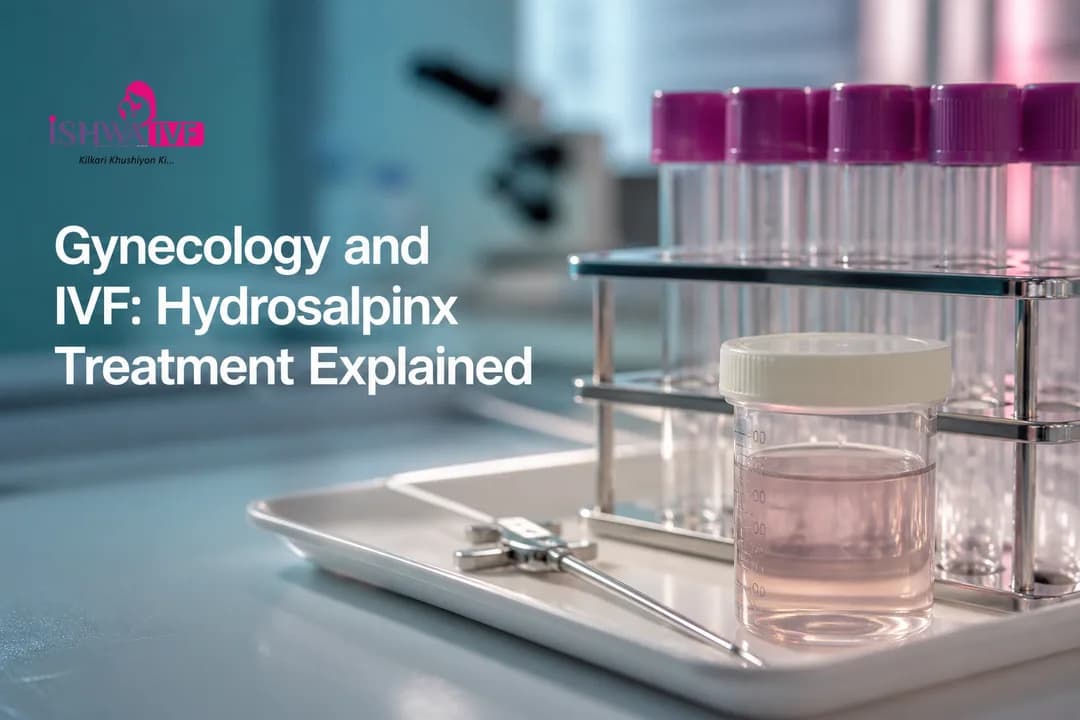
Gynecology and IVF: Hydrosalpinx Treatment Explained is a topic we discuss often because Gynecology and IVF decisions can directly influence embryo transfer outcomes. If you have a hydrosalpinx (a fluid-filled fallopian tube), you may wonder whether to treat it before transfer, and what “treat” actually means. In this guide, you will learn how hydrosalpinx affects implantation, how fertility specialists confirm it, and which treatment paths usually make sense before a frozen or fresh cycle.
Why Hydrosalpinx Matters Before Embryo Transfer
Hydrosalpinx is more than a “tube problem.” Importantly, the fluid inside a damaged tube can reflux into the uterine cavity. As a result, it may create an environment that is less friendly for embryos. This matters whether you plan a fresh transfer or a frozen embryo transfer.
In practical terms, many fertility clinics treat hydrosalpinx as a priority finding during infertility treatment workup. Therefore, your doctor may recommend fixing the tube issue first and then moving to transfer. Results still vary, because age, embryo quality, uterine factors, and male infertility also play major roles.
Evidence has linked hydrosalpinx with lower implantation and pregnancy rates in IVF. Notably, the American Society for Reproductive Medicine (ASRM) has discussed salpingectomy or proximal tubal occlusion for communicating hydrosalpinx before IVF in committee guidance and reviews. You can explore ASRM patient and practice resources through ASRM reproductive medicine guidance.
How The Fluid Can Affect Implantation
First, the fluid may mechanically wash embryos away from the ideal implantation zone. Second, it can carry inflammatory mediators and bacteria-associated toxins. Consequently, the endometrium may become less receptive, even when the lining thickness looks normal on ultrasound.
Additionally, hydrosalpinx often reflects long-standing tubal damage from prior infection, surgery, or endometriosis. Because of this, the pelvis may also have adhesions that complicate egg pickup or cause chronic inflammation. Your fertility specialist will factor these details into the plan.
Hydrosalpinx And IVF Success Rates: What Studies Suggest
Multiple clinical studies and meta-analyses have reported improved pregnancy outcomes after treating hydrosalpinx before IVF, especially with salpingectomy or tubal occlusion in selected patients. For a peer-reviewed overview, see this evidence summary on PubMed hydrosalpinx and IVF outcomes research. However, your own benefit depends on whether the tube communicates with the uterus, the size of the hydrosalpinx, and your broader fertility profile.
Gynecology and IVF: Hydrosalpinx Treatment Options
Once imaging confirms hydrosalpinx, your gynecology team usually focuses on protecting the uterine environment before embryo transfer. In many cases, treatment aims to stop toxic fluid from reaching the uterine cavity. Meanwhile, your fertility clinic may preserve embryos through embryo freezing so transfer can happen at the right time.
In our work at Ishwa IVF, we repeatedly see that couples feel relief when they understand the “why” behind treatment. For example, when we show the ultrasound or HSG images, it becomes easier to accept a short delay before transfer. As a result, most patients feel more confident about the next cycle rather than rushed into it.
The best approach depends on the hydrosalpinx location, the tube’s condition, prior surgeries, and your ovarian reserve. Therefore, your fertility doctor may suggest one of these common options:
- Laparoscopic salpingectomy: removal of the affected tube, usually the most definitive option.
- Proximal tubal occlusion: blocking the tube near the uterus to prevent fluid backflow.
- Hysteroscopic occlusion: less commonly used today, and not suitable for all cases.
- Drainage alone: typically temporary, because fluid often re-accumulates.
- Antibiotics: used when infection is suspected, but not a standalone fix for structural damage.
Salpingectomy Vs. Tubal Occlusion: How Doctors Choose
Salpingectomy removes the diseased tube, which can reduce inflammatory burden and fluid recurrence. However, surgeons also consider blood supply to the ovary, especially if you have low AMH or need egg freezing. Therefore, the surgeon uses careful technique to protect ovarian vessels.
Tubal occlusion can be useful when removal looks risky due to adhesions or prior pelvic surgery. In contrast, if the tube appears severely damaged and mobile, removal may be straightforward. Your fertility specialist will explain the trade-offs in the context of IVF success rates and safety.
Importantly, neither procedure guarantees pregnancy. Still, treating hydrosalpinx often removes a known barrier to implantation. As a result, embryo transfer may have a better chance to progress into a healthy pregnancy.
Tests That Confirm Hydrosalpinx In Fertility Care
Diagnosis usually starts with pelvic ultrasound. Sometimes, the tube looks like a sausage-shaped, fluid-filled structure next to the ovary. However, ultrasound alone may miss mild cases or confuse it with ovarian cysts. Therefore, your fertility clinic may recommend additional testing.
A common next step is an HSG (hysterosalpingography), which uses contrast dye to check tubal patency. Notably, HSG can show a blocked tube with distal dilation and can suggest whether the tube communicates with the uterus. Some patients also need laparoscopy, especially when endometriosis or adhesions are likely.
Because reproductive health decisions can feel overwhelming, ask your clinic to walk you through your reports. In addition, keep a file of scans and operative notes, since these details help when planning ICSI, IUI decisions, or embryo freezing timelines.
What Your Fertility Specialist Looks For On Imaging
First, your doctor checks whether the hydrosalpinx is unilateral or bilateral. Next, they evaluate size and whether fluid appears to spill into the uterine cavity. Consequently, a “communicating hydrosalpinx” often triggers stronger recommendations to treat before transfer.
They also look for signs of pelvic infection history or endometriosis. For instance, dense adhesions can affect surgical approach and recovery. Meanwhile, uterine factors like polyps or fibroids may also need attention, so a coordinated gynecology plan matters.
Planning IVF Transfer After Treatment: Timing And Steps
After treating hydrosalpinx, many clinics prefer a short healing period before embryo transfer. The exact timing varies. However, it often includes at least one cycle to recover and confirm that the uterine cavity is ready. Your clinic may also repeat ultrasound, and sometimes a hysteroscopy, if there were cavity concerns.
In a modern IVF center, teams often separate embryo creation from embryo transfer. Therefore, you may do ovarian stimulation, egg retrieval, and fertilization (often with ICSI when indicated), then proceed with embryo freezing. Next, you can schedule transfer when inflammation risk is lower and the endometrium is well prepared.
Importantly, pregnancy care planning starts early. If you have other risks like thyroid issues, diabetes, or previous pregnancy loss, your team may coordinate preconception optimization. For high risk pregnancy concerns, this proactive approach reduces surprises later.
A Practical Pre-Transfer Checklist After Hydrosalpinx Surgery
Before you schedule transfer, align on a clear checklist with your fertility doctor. For example, many couples find these steps helpful:
- Review the operative note and confirm the final diagnosis.
- Ask whether the tube was removed or blocked and on which side.
- Confirm your embryo plan, including embryo freezing and grading updates.
- Check uterine cavity status if bleeding patterns changed after surgery.
- Discuss the transfer protocol, including hormones and monitoring visits.
Additionally, ask about pain control and activity limits after laparoscopy. That clarity helps you plan work and travel. As a result, your recovery tends to feel calmer and more predictable.
For broader context on reproductive health and infection prevention, you can also review public health resources from the World Health Organization (WHO). While WHO does not replace personal medical advice, it offers trustworthy health education that supports patient decision-making.
Questions To Ask Your IVF Center Before Transfer
Hydrosalpinx conversations can feel technical. However, you deserve plain answers that match your situation. Therefore, bring your questions to your next appointment and ask the team to explain each recommendation in simple terms.
Here are focused questions that often improve clarity:
- Is my hydrosalpinx communicating with the uterus?
- Which option fits best for me: salpingectomy or occlusion?
- How will surgery affect ovarian reserve or response to stimulation?
- Should we do IVF with embryo freezing first, then treat, or treat first?
- Do you recommend ICSI due to male infertility or prior fertilization issues?
If you want to explore care pathways, you can start with Ishwa IVF for a structured fertility clinic consultation. Additionally, you can review how an IVF Center care team coordinates gynecology, lab work, and pregnancy care in one plan.
Finally, keep expectations realistic. Even after the best treatment, outcomes can differ based on age, embryo genetics, uterine factors, and overall health. Still, by addressing hydrosalpinx before transfer, many couples remove a preventable obstacle and move into the next step with stronger confidence in their plan.
In summary, Gynecology and IVF planning works best when you treat the uterine environment as the priority for implantation. If hydrosalpinx appears on your reports, ask your fertility specialist about the safest way to stop tubal fluid from affecting transfer. Then, proceed with a transfer timeline that protects recovery and supports a healthy pregnancy.
Contact Us
Ishwa IVF Clinic
1st Floor, Ganga Heights, Tonk Road
(Near Gopalpura Flyover, Opposite Jaipur Hospital)
Kailash Puri Colony, Jaipur – 302018
📞 Phone: 9351333705
Our team works hands-on with IVF, ICSI, IUI, gynecology, and high risk pregnancy care, and we apply that day-to-day clinical experience to build practical, patient-first transfer plans. If you would like, we can review your reports and explain options in a calm, non-pushy way.
Written and medically reviewed by Dr. Urmila Sharma and Dr. Zeepee Godha. This article is general information and does not replace a consultation. Your doctor will advise you on your own situation.