Fertility Clinic Visit Checklist: Labs, Embryology, Safety


Written and medically reviewed by
Dr. Urmila Sharma and Dr. Zeepee Godha
7 min read
Use this Fertility Clinic Visit Checklist: Labs, Embryology, Safety to plan your IVF consultation like a pro. Specifically, it helps you verify testing quality, lab standards, and patient safety so you can compare an IVF Center with clarity. Moreover, you will know what to ask about ICSI, IUI, embryo culture, freezing, and success-rate reporting without feeling rushed.
Before You Book: What To Carry And What To Confirm
First, treat your first visit as both a medical appointment and an evaluation of the Fertility Clinic. Therefore, bring documents that let the Fertility Specialist see patterns fast. Also, confirm a few basics on the phone to avoid repeat visits and delays.
In our day-to-day work at Ishwa IVF, we often meet couples who arrive with scattered reports and no dates. As a result, the doctor spends extra time reconstructing the timeline. When you bring a simple folder, you usually get a sharper plan in one visit.
- Carry: previous hormone tests (AMH, TSH, prolactin), ultrasound notes, semen analysis, HSG or laparoscopy reports, and prior IVF/ICSI cycle summaries.
- List: cycle length, past miscarriages, surgeries, allergies, and current medicines or supplements.
- Confirm: clinic hours for scans, blood draws, and emergency contact after procedures like egg pickup.
- Ask: whether the lab is in-house or outsourced, and how sample identity is protected end-to-end.
- Plan: who should attend (both partners often matter for Infertility Treatment decisions).
Importantly, remember that results vary by age, diagnosis, and ovarian reserve. So, a good team explains your options and trade-offs rather than promising a guaranteed Test Tube Baby outcome.
IVF Fertility Clinic Visit Checklist: Core Labs To Review
Second, focus on the labs because they drive most decisions in Fertility Treatment. For example, ovarian stimulation dosing often changes based on AMH, antral follicle count, and baseline hormones. Similarly, Male Infertility evaluation can shift a plan from IUI to ICSI quickly.
Moreover, ask how the clinic times tests. Timing matters because day-2 or day-3 hormones and ultrasound baseline often guide stimulation safety. If you have irregular cycles or PCOS, your Fertility Doctor may adjust the approach to prevent ovarian hyperstimulation.
Female Infertility Testing: What “Complete” Looks Like
First, confirm that the clinic checks ovulation, ovarian reserve, uterus, and tubes when relevant. Next, ask which tests they repeat in-house versus accept from outside labs. In addition, confirm reference ranges because they can differ across labs.
Key questions that reveal lab quality
For instance, ask how they handle borderline TSH or prolactin values before IVF. Also, ask whether they screen for anemia, vitamin D, and infections when clinically indicated. Finally, ask how they decide between ultrasound monitoring alone versus adding blood estradiol during stimulation.
Typically, these items come up in a well-rounded workup:
- Ovarian reserve: AMH, antral follicle count on ultrasound.
- Baseline hormones: FSH, LH, estradiol, TSH, prolactin.
- Uterine assessment: transvaginal ultrasound, and sometimes hysteroscopy if indicated.
- Tube check: HSG or laparoscopy when history suggests tubal factor.
- Preconception screening: blood group, CBC, diabetes markers, infection screening as advised.
Male Infertility Tests That Change Treatment Decisions
Similarly, ask about semen analysis standards and repeat testing. Because semen parameters fluctuate, many teams repeat an abnormal report. Moreover, they may add tests for DNA fragmentation in select cases, especially after repeated embryo development issues.
Ask what triggers a shift from IUI to ICSI. For instance, very low count, low motility, or prior fertilization failure often leads to ICSI. In contrast, mild male factor may still allow IUI or conventional insemination, depending on the couple’s full picture.
Embryology Lab And Freezing: Questions That Protect Outcomes
Third, evaluate embryology because it sits at the heart of IVF Success Rates. Therefore, ask to meet or at least speak with the embryology team, if the clinic allows it. Also, look for clear, calm explanations rather than vague marketing language.
Notably, the WHO guidance on infertility highlights infertility as a disease of the reproductive system and supports evidence-based evaluation and care pathways. Because of that, your clinic should discuss diagnosis and individualized treatment rather than a one-size protocol.
Embryo Culture, ICSI, And Quality Control Basics
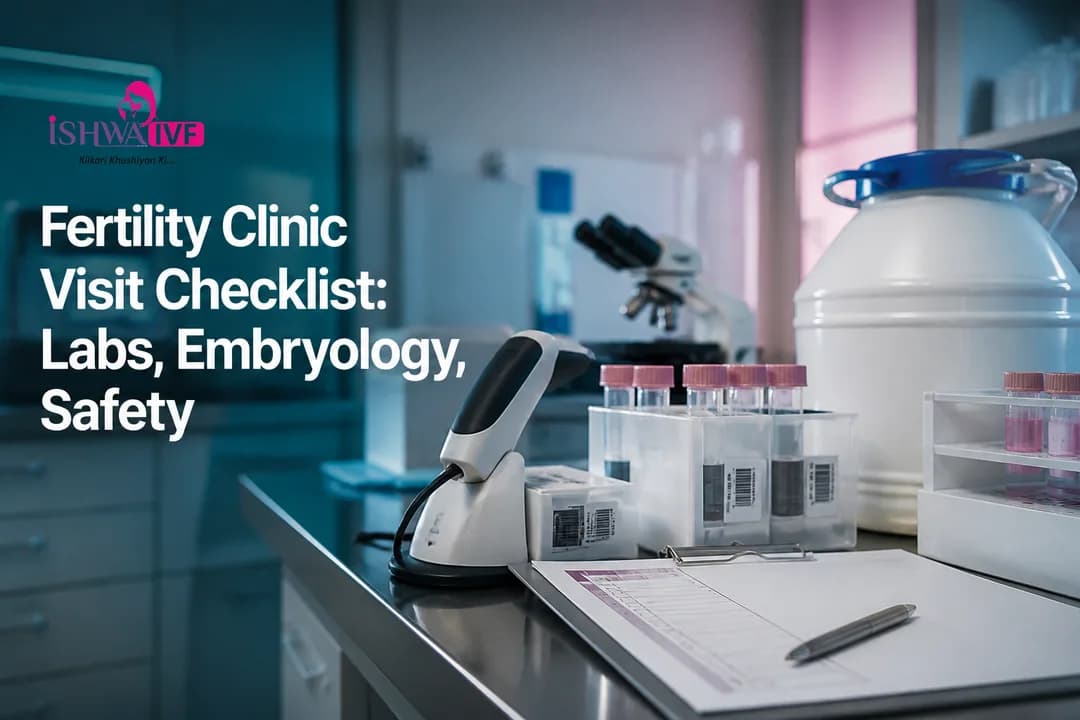
First, ask which culture system they use and how they control temperature, gas levels, and contamination. Next, ask how they track embryos and gametes at every step. In addition, ask about witnessing systems, labeling rules, and double-checks during critical steps.
Here are practical items to review during your clinic visit:
- Fertilization method: conventional IVF vs ICSI and why it fits your case.
- Embryo development plan: day-3 transfer vs blastocyst culture, with pros and cons.
- Lab environment: air quality management, HEPA filtration, and restricted access policies.
- Traceability: two-person witnessing or electronic witnessing for sample matching.
- Updates: how and when you receive embryo reports, including grading language.
Furthermore, ask how they handle unexpected issues. For example, what happens if fertilization is low or embryos arrest. A reliable embryology team explains next steps, such as changing insemination strategy in a future cycle.
Egg Freezing And Embryo Freezing: Storage And Consent Clarity
Next, if you are considering Egg Freezing or Embryo Freezing, ask about vitrification protocols and storage conditions. Also, ask what consent covers: storage duration, renewal, disposal, and transfer to another center.
In addition, clarify how they document chain-of-custody and tank monitoring. For instance, ask whether the facility has alarmed liquid nitrogen monitoring and backup plans for power failures. These details matter for long-term fertility preservation.
For context, India’s quality initiatives often reference national patient-safety frameworks. You can review the National Health Authority resources to understand broader digital health and system-level safety efforts.
Patient Safety, Infection Control, And High-Risk Planning
Finally, a Fertility Clinic should run like a safety-first medical unit. Therefore, observe hygiene, privacy, and process discipline during your visit. Also, ask how they screen and manage risks before procedures and during early Pregnancy Care.
Moreover, remember that IVF includes procedures such as egg retrieval and embryo transfer. So, the clinic should explain anesthesia options, pain control, and post-procedure warning signs in simple language.
Credible medical guidance emphasizes reducing harm and preventing infections. For example, the WHO infection prevention and control guidance underlines the importance of clean care and system practices. As a result, a good center shares its protocols openly.
Use this quick safety lens while you walk through the clinic:
- Identity checks: name, date of birth, and matching labels at every step.
- Consent process: clear, unhurried explanation of risks and alternatives.
- Medication safety: written dosing plan, injection training, and storage instructions.
- Emergency readiness: escalation plan for severe pain, bleeding, fever, or breathing issues.
- High-risk screening: thyroid disease, diabetes, hypertension, and clotting history when applicable.
If you have a history of High Risk Pregnancy, bring those records early. Then, ask how the center coordinates with obstetric and medicine teams. In particular, ask what happens after a positive pregnancy test and how early scans are scheduled.
Also, ask about emotional support. Infertility Treatment can feel intense. Therefore, a supportive team should offer counseling referrals, realistic timelines, and clear communication points.
IVF Fertility Clinic Visit Checklist: Final Questions To Ask
Before you leave, confirm that you understand the plan and the “why” behind it. Next, ask how the clinic reports outcomes and whether they separate fresh and frozen transfer results. Also, ask what factors drive success in your case, such as age, egg quality, sperm factors, or uterine issues.
Importantly, interpret IVF Success Rates carefully. Averages can hide key differences between patient groups. Therefore, ask the clinic to explain what patient profile their numbers represent and what is comparable to you.
In our clinical counseling conversations, we find that the best decisions happen when couples ask a few calm, specific questions. As a result, they feel less overwhelmed during stimulation and the two-week wait. You can also explore services and appointment options through Ishwa IVF and learn how a coordinated care team supports each step.
In short, Fertility Clinic Visit Checklist: Labs, Embryology, Safety helps you choose care based on evidence and process quality, not just promises. If you want a personalised roadmap for IVF, ICSI, IUI, or fertility preservation, you can connect with our fertility care team for a balanced, non-rushed discussion.
Contact Us
Ishwa IVF Clinic
1st Floor, Ganga Heights, Tonk Road
(Near Gopalpura Flyover, Opposite Jaipur Hospital)
Kailash Puri Colony, Jaipur – 302018
📞 Phone: 9351333705
As a dedicated reproductive healthcare center, we support patients daily with practical, safety-focused guidance across IVF, ICSI, IUI, and Pregnancy Care. However, every case differs, so we will review your reports and goals before suggesting next steps.
Written and medically reviewed by Dr. Urmila Sharma and Dr. Zeepee Godha. This article is general information and does not replace a consultation. Your doctor will advise you on your own situation.