IVF Fertility Preservation: Egg Freezing Before Endometriosis


Written and medically reviewed by
Dr. Urmila Sharma and Dr. Zeepee Godha
7 min read
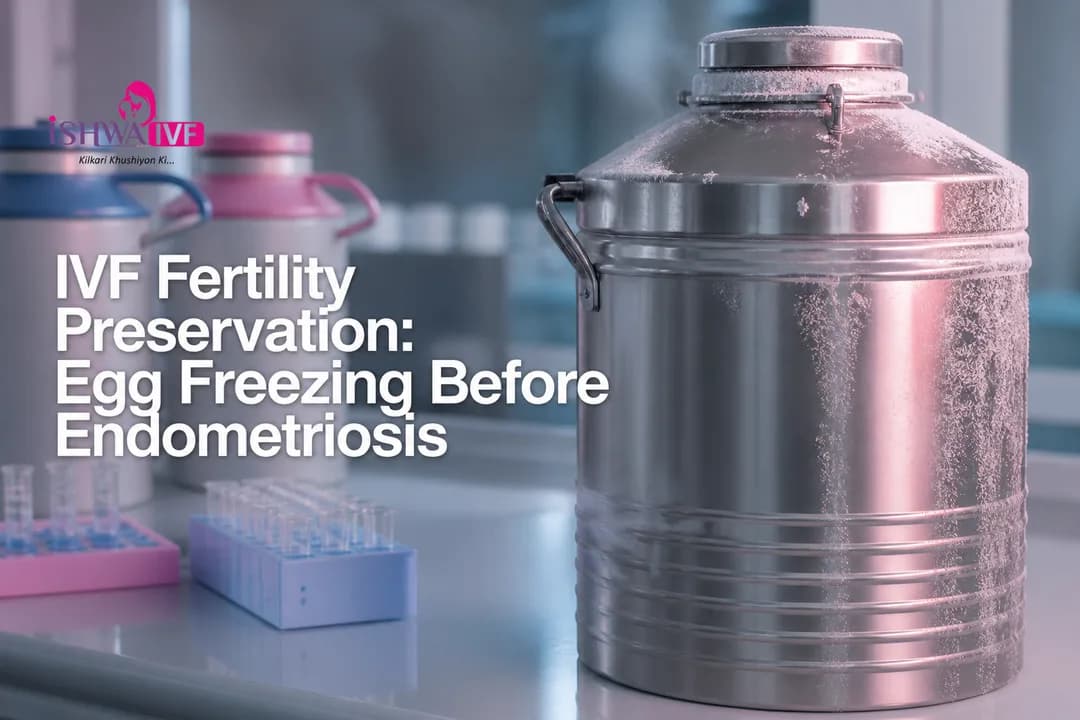
If you are weighing IVF options and you have symptoms or a diagnosis of endometriosis, “Fertility Preservation: Egg Freezing Before Endometriosis” is a conversation worth having early. IVF fertility preservation can protect future choices when endometriosis threatens egg number, egg quality, or ovarian reserve. In this guide, you will learn when egg freezing makes sense, how the process works, and how to plan your next step with a fertility specialist.
Why Endometriosis Can Change Your Fertility Timeline
Endometriosis can affect fertility in more than one way. For example, it can trigger inflammation in the pelvis and disturb normal egg release and fertilization. In addition, ovarian endometriomas can damage healthy ovarian tissue over time. Because of this, some women notice declining AMH, fewer follicles on scan, or repeated delays in conception.
Importantly, the risk is not the same for everyone. Stage, location, age, and prior surgeries all matter. Therefore, a personalised assessment often helps more than generic advice. A fertility clinic can combine your ultrasound findings, symptoms, and blood tests into a clear plan.
In our work at Ishwa IVF, we repeatedly see a pattern. Many patients seek infertility treatment after years of pain, while ovarian reserve has already dropped. However, when we discuss fertility preservation earlier, they often feel more in control. That shift alone reduces stress and improves decision-making.
IVF Fertility Preservation: Egg Freezing Before Endometriosis
IVF fertility preservation usually means freezing eggs (oocyte cryopreservation) or embryos for later use. With endometriosis, timing matters. Therefore, many women choose to freeze eggs before ovarian surgery, before symptoms worsen, or before advancing age reduces egg quality.
Egg freezing does not “treat” endometriosis. Instead, it stores your eggs at a younger biological age. Later, you can use those eggs in an IVF cycle, and your doctor can fertilize them with conventional IVF or ICSI depending on semen parameters and lab needs. As a result, you keep more options open, even if future natural conception becomes harder.
Notably, embryo freezing is another option if you have a committed partner or you plan to use donor sperm. Embryos may survive thawing very well, but the choice carries legal and emotional considerations. Because of this, many patients start with egg freezing when they want flexibility.
How Egg Freezing Works Step By Step
First, your fertility doctor reviews your history, scans, and hormone tests. Next, you start ovarian stimulation with daily injections for about 8 to 12 days in many cases, with monitoring scans in between. Then, when follicles are ready, the clinic schedules an egg retrieval under short anesthesia.
After retrieval, embryologists assess maturity. Mature eggs are then frozen using vitrification, a rapid-freezing method used by modern IVF centers. Finally, the clinic stores the eggs in a secure cryostorage system until you are ready to use them.
To illustrate what “ready” means, it can be months or years later. At that time, the clinic thaws the eggs and fertilizes them. In addition, a tailored embryo transfer plan can consider endometriosis symptoms, uterine factors, and pregnancy care needs.
What You Can Expect During Monitoring
Monitoring includes ultrasound follicle tracking and blood tests for hormones like estradiol. Consequently, your fertility specialist can adjust medication doses and reduce the risk of complications. Most patients continue normal work routines, although clinic visits may require flexible timing. Meanwhile, pain history and ovarian endometriomas can influence scan comfort, so tell your team what you need.
What Egg Freezing Can and Cannot Do
Egg freezing can preserve reproductive potential, but it cannot guarantee pregnancy later. Egg quality, the number of eggs stored, age at freezing, and sperm factors all affect outcomes. Therefore, your doctor should explain likely scenarios rather than promise IVF success rates.
It also cannot reverse endometriosis. However, it can reduce urgency and allow you to treat symptoms thoughtfully. For example, you might plan surgery, medical suppression, or a pain-focused gynecology pathway without feeling rushed into conception attempts.
Who Should Consider Egg Or Embryo Freezing?
Many people associate fertility preservation with cancer care. However, endometriosis also creates a real “time pressure” for some women. Therefore, consider a consultation if you relate to any of the points below.
- Endometrioma on ultrasound, especially if surgery is being planned.
- Low or falling AMH or a low antral follicle count for age.
- Severe symptoms and long-standing inflammation or pelvic adhesions.
- Delay in family planning because of career, personal, or health reasons.
- Previous ovarian surgery for cysts or endometriosis.
In addition, some couples choose embryo freezing alongside egg freezing, especially when male infertility or repeated semen issues exist. In that case, ICSI may provide more consistent fertilization in the lab. Your fertility specialist will explain whether IVF, ICSI, or IUI fits your specific diagnosis.
For balanced guidance on reproductive health and fertility care, you can also explore the World Health Organization resources on infertility. These resources help frame infertility treatment as healthcare, not a personal failure.
Planning The Best Timing: Surgery, Pain Control, And IVF
Timing is the hardest part. Many women face a choice between controlling pain now and protecting fertility for later. Therefore, the best plan often depends on symptom severity, ovarian reserve, and how soon you want to try for parenthood.
If you need ovarian surgery for an endometrioma, discuss freezing eggs before surgery. Surgery can remove disease and improve pain, but it may also reduce ovarian reserve. As a result, freezing first can act as insurance. That said, every case differs, so your gynecology team and fertility clinic should coordinate.
On the other hand, if you want to try naturally soon, your doctor may recommend a time-limited attempt. Next, you might move to IUI or IVF depending on tubal status, sperm analysis, and prior history. If you have severe endometriosis or blocked tubes, IVF may become the most direct fertility treatment.
Importantly, evidence and guidelines evolve. For clinical summaries and published research pathways, patients often review peer-reviewed endometriosis and fertility studies on PubMed. Use them as a discussion starter, not as self-prescription.
Questions To Ask Your Fertility Doctor
Because endometriosis varies, the right questions save time. First, ask how your ovarian reserve looks today and what it may mean for the future. Second, ask whether egg freezing, embryo freezing, or direct IVF fits your goals. Finally, ask how the clinic plans pregnancy care if you conceive, especially if you have a history of pain, prior surgery, or other risks.
Here are practical questions many patients bring to their first visit:
- How many eggs should I aim to freeze for my age and plan?
- Do I need ICSI because of semen factors?
- Will endometriosis affect implantation or miscarriage risk in my case?
- Should we treat an endometrioma before starting IVF, or after freezing?
- What follow-up do you recommend for high risk pregnancy concerns?
Moreover, a good IVF center will explain costs, medication steps, and realistic timelines. If a plan sounds vague, ask for a written schedule and monitoring plan.
Choosing A Fertility Clinic And Next Steps In Jaipur
When you compare an IVF center, look beyond marketing claims. Instead, focus on lab quality, transparent counselling, and coordinated care. For example, strong embryology protocols support egg survival after thaw, and careful stimulation planning matters for ovarian comfort in endometriosis.
At Ishwa IVF, we build fertility preservation plans around clear milestones. First, we confirm diagnosis and map the ovaries with ultrasound. Next, we align egg freezing with symptom control and any planned gynecology procedures. In addition, our team supports related needs such as male infertility evaluation, IUI decisions when appropriate, and pregnancy care planning once you are ready.
If you are still deciding, start with information. You can read about our approach to compassionate fertility care at Ishwa IVF. You can also book a counselling visit to discuss egg freezing, embryo freezing, IVF, ICSI, or IUI in one coordinated plan at our fertility clinic team.
Finally, remember a key nuance. Endometriosis does not mean you cannot become a parent, and fertility preservation does not mean you must use IVF later. However, planning early improves options. If “Fertility Preservation: Egg Freezing Before Endometriosis” feels relevant to you, IVF fertility preservation is worth discussing with a fertility specialist who can tailor the strategy to your body and your timeline.
Contact Us
Ishwa IVF Clinic
1st Floor, Ganga Heights, Tonk Road
(Near Gopalpura Flyover, Opposite Jaipur Hospital)
Kailash Puri Colony, Jaipur – 302018
📞 Phone: 9351333705
As a dedicated IVF and reproductive healthcare team, we help patients make evidence-based choices with modern lab support and compassionate counselling. If you want clarity without pressure, call us to discuss your next step.
Written and medically reviewed by Dr. Urmila Sharma and Dr. Zeepee Godha. This article is general information and does not replace a consultation. Your doctor will advise you on your own situation.