How Reproductive Endocrinology Guides IVF


Written and medically reviewed by
Dr. Urmila Sharma and Dr. Zeepee Godha
5 min read
In ‘How Reproductive Endocrinology Expertly Guides IVF MI Road’, we share how IVF MI Road decisions become clearer when hormone science leads the way. At Ishwa IVF, our fertility doctors align lab protocols with endocrine markers, so you gain a precise, compassionate plan from day one.
What Reproductive Endocrinology Really Does in Fertility Care
Reproductive endocrinology studies how hormones drive ovulation, sperm production, embryo development, and implantation. When those signals drift off course, conception becomes hard, and even the best lab work needs a targeted plan.
Because hormones are dynamic, timing matters. Therefore, we review cycles, medications, lifestyle, and any gynecology concerns before stimulation begins. This early clarity improves comfort and lowers avoidable risks.
Why IVF MI Road Decisions Start with Hormones
In our daily work near central Jaipur, we see a pattern. Couples arrive with similar histories, yet their hormone maps differ widely. Consequently, the stimulation dose, trigger timing, and even whether to add ICSI or IUI must change from case to case.
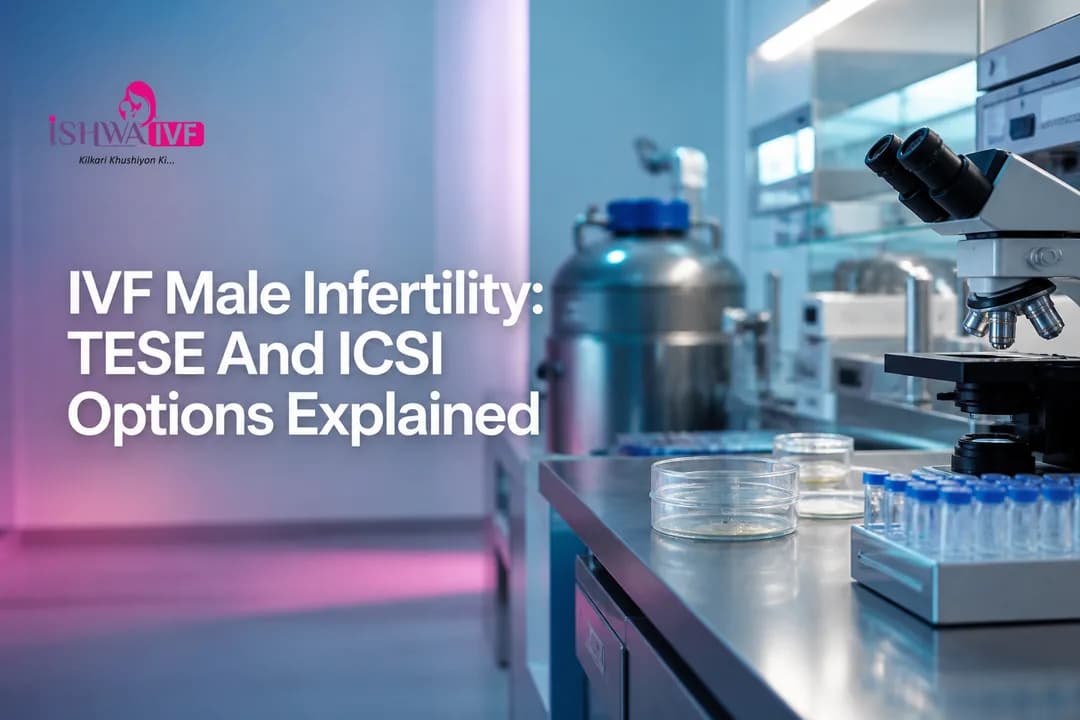
For instance, a woman with polycystic ovary syndrome may respond briskly to small gonadotropin doses. On the other hand, diminished ovarian reserve often needs a stronger start plus close monitoring. Meanwhile, male infertility can require advanced andrology support and ICSI to maximize fertilization.
We design each journey without hype. Results vary with age, egg and sperm quality, uterine health, and genetics. However, a precise endocrine roadmap gives you the best shot at safer progress.
From Diagnosis to Embryo Transfer: Step-by-Step Pathway
Baseline hormone mapping for IVF treatment planning
First, we complete a careful workup. We look at FSH, LH, estradiol, AMH, TSH, prolactin, vitamin D, and fasting glucose-insulin balance. In addition, ultrasound helps us count antral follicles and assess the endometrium.
Because these numbers interact, we avoid one-size-fits-all protocols. Instead, we pair bloodwork with cycle tracking, semen analysis, and your previous treatment history, including any IUI attempts or Test Tube Baby plans elsewhere.
Key labs we order
- AMH to gauge ovarian reserve and predict stimulation needs
- Day-2/3 FSH, LH, and estradiol to balance starting doses
- TSH and prolactin to rule out thyroid and pituitary roadblocks
- Glucose-insulin profile to address PCOS-linked resistance
- Semen analysis with morphology and DNA integrity when needed
Personalising stimulation and lab strategy with data
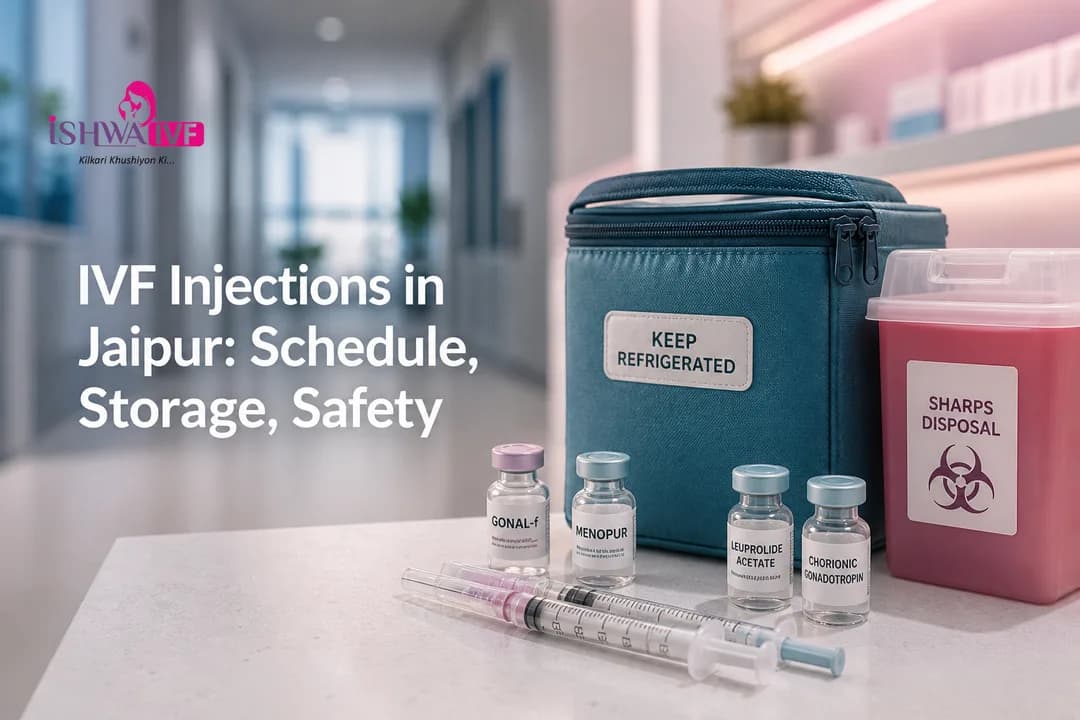
Next, we choose a protocol that fits your profile. For high responders, we tend to use antagonist cycles with a GnRH agonist trigger to reduce OHSS risk. For low reserve, we may prime the cycle or consider a microdose flare. Moreover, we match luteal support to post-retrieval progesterone levels.
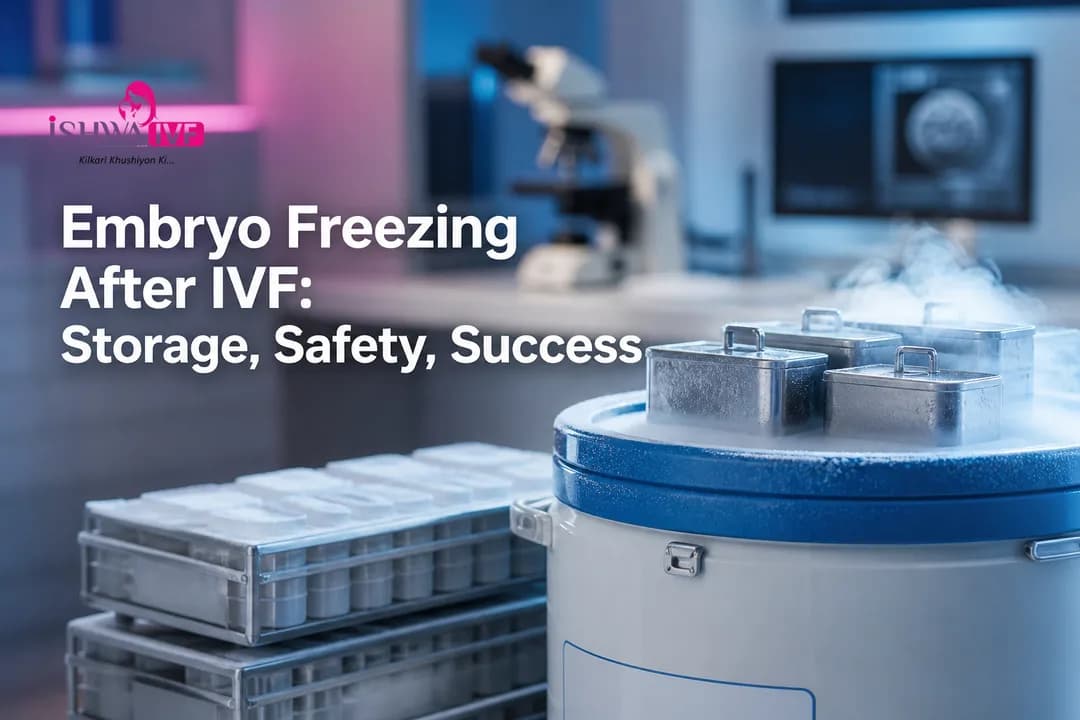
In the lab, endocrine context guides decisions too. For borderline semen parameters, ICSI can improve fertilization consistency. If the endometrium looks suboptimal, we may freeze all embryos and transfer in a controlled hormone replacement cycle. As a result, implantation can occur in a calmer, better-timed environment.
Tracking Outcomes for IVF MI Road Success
During stimulation, we adjust in real time. Ultrasound follicles, estradiol rise, and progesterone trends tell us whether to change doses or trigger earlier. Importantly, a premature progesterone rise can alter the window of implantation, so we act fast when needed.
After retrieval, we watch embryo development alongside your hormone picture. Then, we plan transfer timing, progesterone route, and adjuncts like low-dose aspirin only when the evidence and your data suggest benefit. Finally, we discuss embryo freezing to safeguard options for a future transfer or sibling plan.
Evidence, Expectations, and When to Consider Alternatives
Infertility is common and often silent. According to a recent estimate from the World Health Organization, about one in six adults experiences infertility. Because of this reality, many couples pursue assisted reproduction after trying simpler paths.
Some conditions require special strategies. For example, the NIH describes PCOS as a leading cause of anovulation, and it changes how we plan stimulation and trigger. Similarly, thyroid disorders can quietly reduce success until corrected. Therefore, we screen early and treat before stimulation starts.
Ethical, consent-led care matters as much as technology. India’s National Health Authority shares guidance on digital health and informed consent, which supports transparency and patient rights. At Ishwa IVF, we provide clear, written plans, with risks and alternatives explained in simple language.
Expectations deserve honesty. Age strongly shapes egg quality, and no clinic can guarantee pregnancy. Nevertheless, endocrine-guided protocols help us avoid overstimulation, reduce cancellations, and choose the best day for transfer. In short, the data helps you make confident choices.
Compassionate Care and Next Steps at Ishwa IVF
In our clinic, we combine reproductive endocrinology with modern embryology to support ICSI, IUI, IVF, fertility preservation, and high-risk pregnancy care. Furthermore, we help with male infertility, female infertility, and broader reproductive health, including egg freezing and embryo freezing choices.
Here is how we partner with you from the first visit:
- We listen to your story and prior treatment history without judgment.
- We complete targeted diagnostics, including hormone panels and scans.
- We explain options such as ICSI, blastocyst culture, or freeze-all.
- We personalise medication, dose, and timing using live cycle data.
- We support your mental well-being through clear communication.
In our experience, patients do best when they understand trade-offs. Therefore, we outline costs, expected timelines, and realistic success bands before starting. You always keep control of decisions, and our team stays accessible between appointments.
For readers exploring options, you can learn more about Ishwa IVF and book a conversation on the Ishwa IVF homepage. If you prefer, start by browsing helpful guidance from our Jaipur fertility clinic, then bring your questions to a private consult.
If you are planning IVF MI Road and want a clear, ethical plan, our team is here to guide you with evidence and empathy.
Contact Us
Ishwa IVF Clinic
1st Floor, Ganga Heights, Tonk Road
(Near Gopalpura Flyover, Opposite Jaipur Hospital)
Kailash Puri Colony, Jaipur – 302018
📞 Phone: 9351333705
Written and medically reviewed by Dr. Urmila Sharma and Dr. Zeepee Godha. This article is general information and does not replace a consultation. Your doctor will advise you on your own situation.